Plaka
Plaka is one of the most charming and historic neighborhoods in Athens and one of the most popular areas for travelers exploring the Greek capital. Located beneath the Acropolis, Plaka combines narrow stone streets, neoclassical architecture, local cafés, rooftop restaurants, historical landmarks, and a lively atmosphere that captures the timeless character of Athens.
For many travelers visiting Greece, walking through Plaka becomes one of the most memorable parts of their Athens experience.
Often referred to as the “Neighborhood of the Gods,” Plaka offers visitors a unique blend of:
- Ancient history
- Greek culture
- Traditional architecture
- Shopping and dining
- Scenic Acropolis views
- Biblical Greece sightseeing
For travelers exploring Biblical Greece, Plaka also serves as an excellent base for visiting many important sites connected to the Apostle Paul’s visit to Athens described in Acts 17.
What Is Plaka?
Plaka is the oldest neighborhood in Athens and one of the city’s most picturesque districts.
The neighborhood sits directly beneath the Acropolis and is known for:
- Narrow pedestrian streets
- Traditional Greek tavernas
- Historic homes
- Boutique shops
- Byzantine churches
- Scenic cafés
- Acropolis viewpoints
Plaka combines ancient Athens with modern Greek culture, creating a lively atmosphere where visitors can experience both the historical and everyday side of the city.
Many travelers describe Plaka as one of the most walkable and enjoyable areas in Athens because of its relaxed atmosphere and central location near major archaeological sites.
Where Is Plaka Located?
Plaka is located in central Athens beneath the Acropolis hill.
The neighborhood sits near many of Athens’ most important attractions, including:
- Acropolis of Athens
- Ancient Agora
- Mars Hill (Areopagus)
- Roman Agora
- Monastiraki
- Acropolis Museum
- Syntagma Square
Because of its location, Plaka is commonly included on:
- Athens walking tours
- Biblical Greece itineraries
- Greece cultural tours
- Acropolis sightseeing routes
Many travelers stay in or near Plaka because of its convenience and atmosphere.
Why Is Plaka So Famous?
Plaka is famous because it combines:
- Historic charm
- Ancient surroundings
- Traditional Greek culture
- Excellent dining
- Scenic walking streets
- Easy access to Athens landmarks
The neighborhood is especially popular for its:
- Outdoor cafés and tavernas
- Rooftop Acropolis views
- Evening atmosphere
- Souvenir and artisan shops
- Traditional architecture
Many visitors are surprised by how peaceful and pedestrian-friendly Plaka feels despite being located in the center of Athens.
The neighborhood becomes especially beautiful in the evening when the Acropolis is illuminated above the city and the narrow streets fill with music, cafés, and outdoor dining.
For many travelers, Plaka offers the perfect balance between sightseeing and relaxing while exploring Athens.
Did You Know?
Some of the streets and pathways in Plaka follow routes that have existed since ancient Athens, making the neighborhood one of the oldest continuously inhabited areas in the city.
Walking through Plaka allows visitors to experience layers of Greek, Roman, Byzantine, and Ottoman history all within the same neighborhood.
The Biblical Significance of the Plaka Area
Although Plaka itself is not directly mentioned in the Bible, the neighborhood surrounds several important sites connected to the Apostle Paul’s visit to Athens.
From Plaka, visitors can easily walk to:
- Mars Hill (Areopagus)
- Ancient Agora
- The Acropolis
- Areas connected to Paul’s sermon in Acts 17
For many Christian travelers exploring Biblical Greece, staying or walking through Plaka creates a much deeper connection to the ancient city Paul once visited.
Many travelers combine Plaka with:
- Footsteps of the Apostle Paul tours
- Ancient Corinth
- Philippi
- Other important Biblical destinations throughout Greece
For many visitors, Plaka becomes one of the most enjoyable and atmospheric areas of their Biblical Greece journey.
What to See in Plaka
Plaka contains numerous historical, cultural, and scenic attractions.
Anafiotika
A small picturesque section of Plaka built in Cycladic island style with whitewashed homes and narrow pathways.
Many visitors are surprised by how much Anafiotika feels like a Greek island hidden beneath the Acropolis.
Traditional Taverns and Cafés
Plaka is famous for its traditional Greek restaurants, rooftop dining, and outdoor cafés overlooking the Acropolis.
Byzantine Churches
The neighborhood contains several historic Byzantine churches dating back centuries.
Shopping Streets
Visitors can explore shops selling:
- Greek souvenirs
- Handmade jewelry
- Olive wood products
- Local artwork
- Greek food products
Scenic Acropolis Views
Many streets and rooftop locations throughout Plaka offer beautiful views of the illuminated Acropolis.
For many travelers, simply wandering through Plaka becomes one of the highlights of visiting Athens.
What to Expect When Visiting Plaka
Visiting Plaka involves:
- Walking through pedestrian streets
- Hills and stone pathways
- Outdoor dining and cafés
- Shopping areas
- Historic scenery
- Crowds during peak tourism seasons
Visitors should expect:
- Moderate walking
- Busy evenings during summer
- Numerous restaurants and shops
- Scenic photography opportunities
- A lively but relaxed atmosphere
Most travelers spend:
- Several hours exploring Plaka
- Or multiple visits throughout their stay in Athens
Many visitors return to Plaka repeatedly during their trip because of its central location and welcoming atmosphere.
Travel Tip for Visiting Plaka
Many experienced travelers recommend visiting Plaka both during the daytime and again in the evening because the atmosphere changes dramatically after sunset.
During the day, Plaka is ideal for sightseeing, shopping, and exploring historical streets.
In the evening, the neighborhood becomes especially lively with rooftop dining, illuminated Acropolis views, music, and outdoor cafés.
Many travelers also combine Plaka with:
- The Acropolis
- Ancient Agora
- Monastiraki
- Syntagma Square
- Athens rooftop restaurants
for a complete Athens experience.
Best Time to Visit Plaka
The best times to visit Plaka are generally:
- Spring (March–May)
- Fall (September–November)
These seasons offer:
- Pleasant walking temperatures
- Comfortable outdoor dining weather
- Fewer crowds
- Excellent sightseeing conditions
Summer remains very popular but can become crowded during evenings and midday heat.
Many experienced travelers prefer exploring Plaka:
- Early morning for quieter streets
- Evening hours for atmosphere and dining
Guided Tours vs Visiting Independently
Some travelers explore Plaka independently, while others include the neighborhood as part of a guided Athens or Biblical Greece tour.
A knowledgeable guide can help visitors better understand:
- The history of Athens
- Byzantine and Ottoman influences
- Ancient pathways and landmarks
- Local Greek culture
- Biblical connections to nearby sites
For Christian travelers exploring Greece, guided Biblical tours often help connect the surrounding Athens landmarks with the New Testament events involving Apostle Paul.
Many organized Greece itineraries combine Athens with:
- Meteora
- Ancient Corinth
- Thessaloniki
- Patmos
- Other important Biblical destinations in Greece
Helpful Tips for Visiting Plaka
Before visiting Plaka, keep these helpful tips in mind:
- Wear comfortable walking shoes
- Bring a camera for photography
- Visit both daytime and evening hours
- Allow extra time for wandering side streets
- Make dinner reservations during peak season
- Explore Anafiotika beneath the Acropolis
- Bring water during warmer months
- Combine Plaka with nearby archaeological sites
- Stay for sunset views of the Acropolis
Frequently Asked Questions
Is Plaka worth visiting?
Absolutely. Plaka is considered one of the most beautiful and enjoyable neighborhoods in Athens.
What is Plaka famous for?
Plaka is famous for its historic streets, traditional tavernas, shopping, Acropolis views, and charming atmosphere.
Is Plaka near the Acropolis?
Yes. Plaka is located directly beneath the Acropolis hill in central Athens.
How long should I spend in Plaka?
Many travelers spend several hours exploring Plaka and often return multiple times during their stay in Athens.
What is Anafiotika?
Anafiotika is a small picturesque section of Plaka built in Cycladic island style beneath the Acropolis.
Is Plaka good for restaurants?
Yes. Plaka is one of the best areas in Athens for traditional Greek dining and rooftop restaurants.
Is Plaka connected to the Bible?
While not directly mentioned in the Bible, Plaka surrounds areas connected to Apostle Paul’s visit to Athens in Acts 17.


Visit Plaka on your Tour to Greece
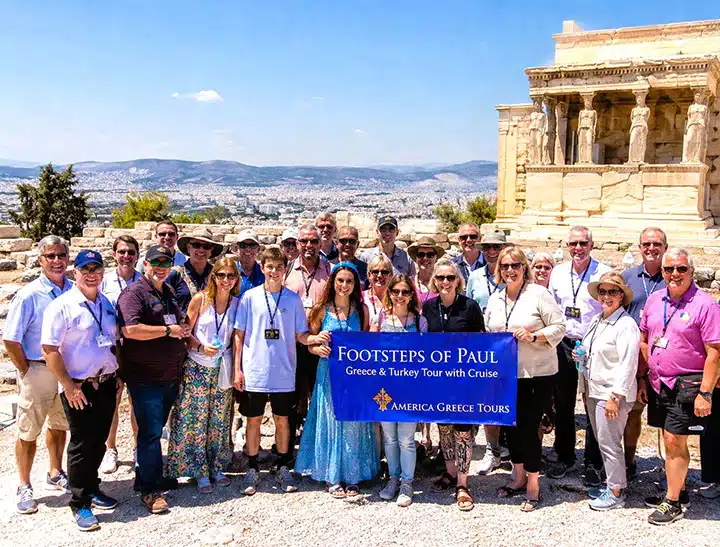
Footsteps of the Apostles Tour in Greece & Turkey with 4 Night Greek Island Cruise
11 Nights / 13 Days | Christian Greece Tour, including 4-Night Cruise & Northern Greece
From
Regular price
$5,840 |
Discount price
$4,995
Join our most popular Christian tour to Greece, where you’ll walk in the footsteps of the Apostle Paul, exploring the very cities and regions he visited during his missionary travels.
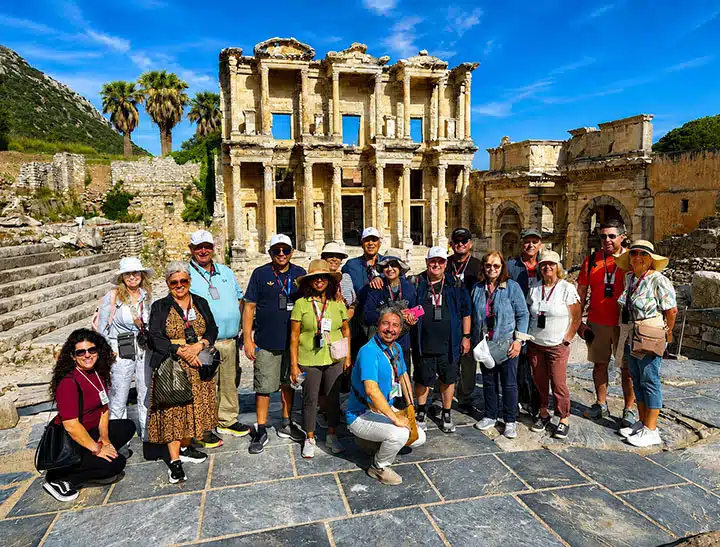
Churches of Revelation-Turkey & Greece with 3 night Greek Island Cruise
8 Nights / 10 Days | Turkey & Greece Journey, including 3-Night Cruise
From
Regular price
$4,695 |
Discount price
$3,945
Walk in the footsteps of Apostle Paul and John on a unique journey through the Seven Churches of Revelation, Patmos and Athens – an experience you won’t want to miss.

Footsteps of Paul Tour in Greece / Optional 3-Night Greek Island Cruise
7 Nights / 9 Days | Christian Tour to Greece
From
Regular price
$3,495 |
Discount price
$2,745
Join our popular Christian tour to Greece, where you will walk in footsteps of the Apostle Paul. Explore the region’s rich biblical history, visit sacred sites, and deepen your faith while enjoying the beauty of this ancient lands.