Acropolis Museum
Visiting the Acropolis Museum is one of the most rewarding experiences in Athens and the perfect complement to exploring the Acropolis itself. Located directly below the Acropolis hill, the museum offers visitors a deeper understanding of ancient Athens, classical Greek civilization, and the historical significance of the Parthenon and surrounding monuments.
For many travelers, the Acropolis Museum transforms a simple sightseeing visit into a much richer and more meaningful experience.
The museum is considered one of the finest archaeological museums in Europe and has become one of the top attractions in Greece for visitors interested in history, archaeology, architecture, culture, and Biblical travel.
For Christian travelers exploring Biblical Greece, the Acropolis Museum also helps provide important historical context surrounding the Apostle Paul’s visit to Athens described in Acts 17.
What Is the Acropolis Museum?
The Acropolis Museum is a modern archaeological museum dedicated to preserving and displaying artifacts discovered on the Acropolis of Athens and surrounding archaeological areas.
Officially opened in 2009, the museum was specifically designed to house:
- Sculptures from the Parthenon
- Ancient statues
- Reliefs
- Artifacts from the Acropolis
- Architectural pieces from ancient temples and monuments
The museum combines ancient history with modern architectural design and is widely recognized as one of the most impressive museums in Greece.
Large glass walls throughout the museum provide stunning views of the Acropolis and the Parthenon above, creating a direct visual connection between the exhibits and the archaeological site itself.
For many visitors, standing inside the museum while looking directly toward the Parthenon becomes one of the most memorable moments of their Athens experience.
Where Is the Acropolis Museum Located?
The Acropolis Museum is located in central Athens at the foot of the Acropolis hill.
The museum sits near:
- The Acropolis entrance
- Plaka
- Monastiraki
- Ancient Agora
- Mars Hill (Areopagus)
Because of its central location, the museum is easily accessible from most Athens hotels and tourist areas.
Many travelers visit the Acropolis Museum either before or after exploring the Acropolis of Athens.
Why Is the Acropolis Museum So Famous?
The Acropolis Museum is famous because it houses some of the most important artifacts from ancient Greece and provides extraordinary insight into the Acropolis and Parthenon.
The museum became internationally recognized for:
- Its modern architectural design
- Its collection of Parthenon sculptures
- The Caryatid statues
- Glass-floor archaeological excavations
- Direct views of the Acropolis
- Advanced preservation and presentation methods
One of the most impressive aspects of the museum is the top-floor Parthenon Gallery, which was designed to mirror the exact dimensions and orientation of the Parthenon itself.
Many visitors are surprised by how much more meaningful their Acropolis visit becomes after understanding the historical and artistic significance of the artifacts displayed inside the museum.
Did You Know?
The Parthenon Gallery on the museum’s top floor was intentionally designed with the same orientation and proportions as the Parthenon itself. Visitors can view the original sculptures while simultaneously looking directly toward the actual Parthenon through the museum’s glass walls.
This unique design helps create one of the most immersive museum experiences in Athens.
The Biblical Significance of the Acropolis Area
Although the Acropolis Museum itself is modern, the surrounding Athens area carries major Biblical significance.
According to Acts 17, the Apostle Paul visited Athens during his missionary journeys and preached at Mars Hill (Areopagus), located near the Acropolis.
Standing inside the museum while overlooking the Acropolis helps many Christian travelers better understand the environment Paul experienced while speaking to the Athenians about the “Unknown God.”
Many travelers exploring Athens combine:
- The Acropolis Museum
- Acropolis of Athens
- Parthenon
- Mars Hill (Areopagus)
- Ancient Agora
These locations are frequently included on Footsteps of the Apostle Paul tours and Biblical Greece itineraries.
What to See Inside the Acropolis Museum
The museum contains several fascinating sections and galleries.
The Parthenon Gallery
The top-floor gallery houses sculptures and friezes connected to the Parthenon and is considered the centerpiece of the museum.
The gallery was designed with the same orientation as the Parthenon itself, allowing visitors to visually connect the exhibits with the monument visible through the glass walls.
Caryatid Statues
One of the museum’s highlights is the collection of original Caryatid statues from the Erechtheion temple.
These famous sculpted female figures are among the most recognizable works of ancient Greek art.
Archaic Gallery
This section contains statues and artifacts from the Archaic period of ancient Greece, showcasing the artistic evolution leading into the Classical period.
Glass Floor Excavations
Visitors can view archaeological excavations beneath the museum through transparent glass floors, revealing remains of ancient Athenian neighborhoods discovered during construction.
Many visitors find this one of the most unique features of the museum experience.
What to Expect When Visiting the Acropolis Museum
The Acropolis Museum is modern, spacious, air-conditioned, and easy to navigate compared to many older museums in Europe.
Most travelers spend approximately 1.5 to 3 hours exploring the museum depending on their interest level.
Visitors should expect:
- Security screening at entrance
- Moderate crowds during peak tourist season
- Extensive walking through galleries
- Photography opportunities
- Panoramic Acropolis views from inside the museum
Because the museum is indoors, it is also an excellent activity during hot summer afternoons in Athens.
Many travelers prefer visiting the museum immediately after exploring the Acropolis while the historical context is still fresh.
Travel Tips
Many experienced travelers visit the Acropolis early in the morning and then continue to the Acropolis Museum afterward during the hotter afternoon hours.
This combination creates one of the best cultural and historical experiences in Athens.
Many visitors also combine the museum with:
- Plaka
- Monastiraki
- Ancient Agora
- Mars Hill
- Traditional Athens restaurants and cafés nearby
Allowing extra time inside the museum is highly recommended, especially for travelers interested in ancient Greek history and Biblical Greece travel.
Best Time to Visit the Museum
The Acropolis Museum can be visited year-round, but spring and fall generally provide the most comfortable overall Athens travel experience.
The museum is particularly popular during:
- Spring (March–May)
- Fall (September–November)
Because the museum is indoors and climate-controlled, it remains an excellent option even during the hottest summer months.
Morning and later afternoon visits are often slightly less crowded compared to midday.
Guided Tours vs Visiting Independently
Some travelers choose to explore the museum independently, while others prefer joining a guided tour.
A knowledgeable guide can help visitors better understand:
- Ancient Greek civilization
- Parthenon sculptures
- Classical art and architecture
- The history of Athens
- Biblical context connected to Apostle Paul
For Christian travelers exploring Greece, guided Biblical tours often help connect Athens, the Acropolis, and Mars Hill to the New Testament in a much deeper and more meaningful way.
Many organized Greece itineraries combine Athens with:
Helpful visitor Tips
Before visiting the museum, keep these helpful tips in mind:
- Allow at least 1.5–3 hours for your visit
- Visit the Acropolis before or after the museum
- Bring comfortable walking shoes
- Consider visiting during hotter afternoon hours
- Bring a camera or phone for photography
- Combine your visit with Plaka and Monastiraki
- Consider a guided tour for additional historical insight
- Take time to enjoy the Acropolis views from inside the museum
- Bring extra phone battery for photos and videos
Frequently Asked Questions
Is the Acropolis Museum worth visiting?
Absolutely. The museum is considered one of the best museums in Greece and greatly enhances the overall Acropolis experience.
How long does it take to visit the Acropolis Museum?
Most travelers spend between 1.5 and 3 hours exploring the museum.
Where is the Acropolis Museum located?
The museum is located directly below the Acropolis hill in central Athens.
What is the most famous exhibit in the museum?
The Parthenon Gallery and the Caryatid statues are among the museum’s most famous exhibits.
Should I visit the museum before or after the Acropolis?
Many travelers prefer visiting the museum after exploring the Acropolis for better historical context.
Is the Acropolis Museum air-conditioned?
Yes. The museum is modern and fully climate-controlled.
What is the Biblical significance of the area?
The nearby Acropolis and Mars Hill are connected to the Apostle Paul’s visit to Athens described in Acts 17.


Visit the Acropolis Museum on your Tour To Greece
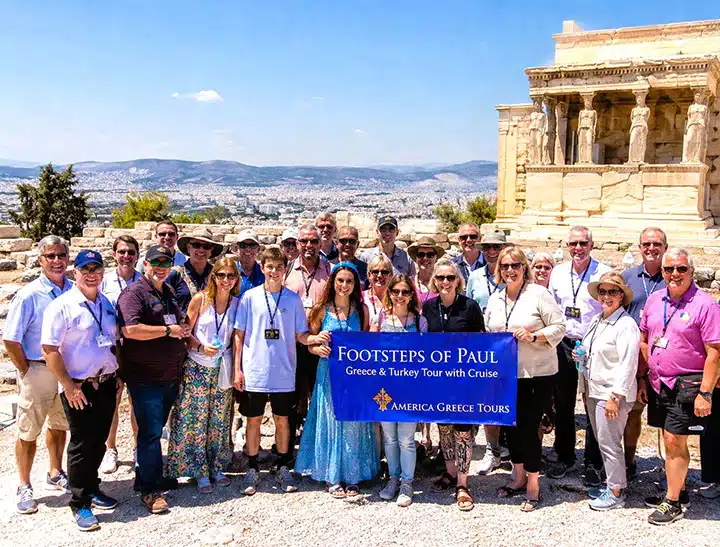
Footsteps of the Apostles Tour in Greece & Turkey with 4 Night Greek Island Cruise
11 Nights / 13 Days | Christian Greece Tour, including 4-Night Cruise & Northern Greece
From
Regular price
$5,840 |
Discount price
$4,995
Join our most popular Christian tour to Greece, where you’ll walk in the footsteps of the Apostle Paul, exploring the very cities and regions he visited during his missionary travels.
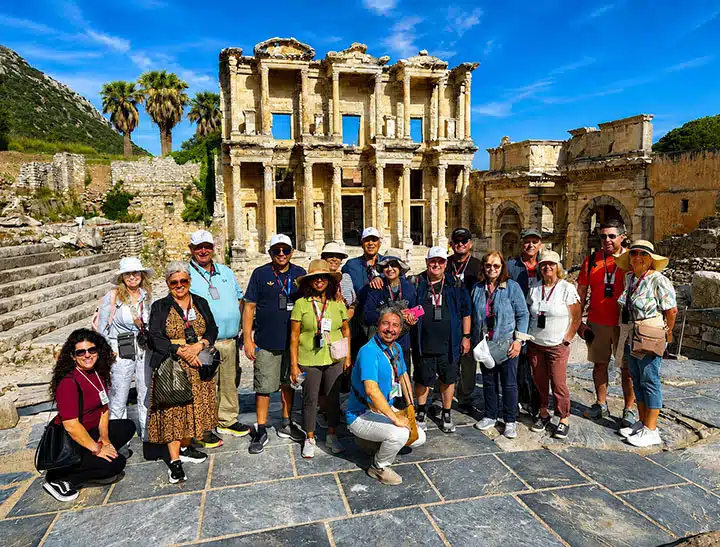
Churches of Revelation-Turkey & Greece with 3 night Greek Island Cruise
8 Nights / 10 Days | Turkey & Greece Journey, including 3-Night Cruise
From
Regular price
$4,695 |
Discount price
$3,945
Walk in the footsteps of Apostle Paul and John on a unique journey through the Seven Churches of Revelation, Patmos and Athens – an experience you won’t want to miss.

Footsteps of Paul Tour in Greece / Optional 3-Night Greek Island Cruise
7 Nights / 9 Days | Christian Tour to Greece
From
Regular price
$3,495 |
Discount price
$2,745
Join our popular Christian tour to Greece, where you will walk in footsteps of the Apostle Paul. Explore the region’s rich biblical history, visit sacred sites, and deepen your faith while enjoying the beauty of this ancient lands.