Meteora
Meteora is one of the most breathtaking destinations in Greece and one of the most unique religious and historical sites in the world. Famous for its monasteries built high atop towering rock formations, Meteora combines extraordinary natural beauty, deep spiritual history, Byzantine heritage, and unforgettable panoramic scenery.
For many travelers visiting Greece, Meteora becomes one of the most memorable highlights of their journey and a destination unlike anywhere else in Europe.
Recognized as a UNESCO World Heritage Site, Meteora attracts visitors from around the world interested in:
- Greek Orthodox monasteries
- History and spirituality
- Scenic landscapes
- Photography
- Hiking and nature
- Biblical and faith-based travel
For Christian travelers exploring Biblical Greece, Meteora offers a peaceful and inspiring experience that beautifully complements journeys connected to the Apostle Paul and early Christianity.
What Is Meteora?
Meteora is a region in central Greece famous for its massive rock pillars and monasteries dramatically built on top of the cliffs.
The word “Meteora” roughly means “suspended in the air” or “hovering above,” a fitting description for the monasteries perched high above the valley below.
Beginning in the 14th century, Greek Orthodox monks built monasteries on these towering rock formations to seek isolation, safety, and spiritual devotion.
At its peak, Meteora was home to more than 20 monasteries. Today, six active monasteries remain and continue to function as important religious sites.
The combination of dramatic natural scenery and centuries-old monasteries makes Meteora one of the most visually stunning destinations in Greece.
For many first-time visitors, seeing the monasteries seemingly suspended above the cliffs feels almost surreal and unlike anything else in Europe.
Where Is Meteora Located?
Meteora is located near the town of Kalambaka in central Greece, approximately halfway between Athens and Thessaloniki.
The region sits near:
- Kalambaka
- Kastraki
- Thessaly region
- Northern and central Greece travel routes
Because of its location, Meteora is commonly included on:
- Biblical Greece tours
- Greece cultural itineraries
- Northern Greece travel routes
- Multi-day Greece sightseeing tours
Many travelers combine Meteora with:
- Thessaloniki
- Philippi
- Athens
- Delphi
- Ancient Corinth
Why Is Meteora So Famous?
Meteora is famous because of its extraordinary landscape and monasteries built atop towering rock pillars that appear almost impossible to reach.
The site became internationally recognized for:
- Its dramatic scenery
- Byzantine monasteries
- Religious importance
- UNESCO World Heritage status
- Unique geological formations
- Incredible photography opportunities
Few places in the world combine natural beauty and spiritual history in such a remarkable setting.
For many travelers, Meteora feels especially magical during sunrise and sunset when the rock formations glow above the surrounding valley and clouds slowly move between the cliffs.
Many visitors are surprised by how peaceful and quiet Meteora feels early in the morning before larger tour groups arrive.
Did You Know?
Before modern roads and stairways were built, monks originally reached many of the Meteora monasteries using rope ladders, baskets, and pulley systems suspended from the cliffs.
This isolation helped protect the monasteries during periods of invasion and political instability throughout Greek history.
The Spiritual and Biblical Atmosphere of Meteora
Although Meteora itself is not directly mentioned in the Bible, the monasteries and spiritual atmosphere create a deeply meaningful experience for many Christian travelers visiting Greece.
The peaceful environment, mountain landscapes, and centuries of monastic devotion provide important insight into the history of Christianity and Orthodox traditions throughout Greece.
For many visitors exploring Biblical Greece, Meteora offers:
- Reflection and spiritual inspiration
- Historic Christian traditions
- Monastic history
- Beautiful religious art and architecture
- A peaceful contrast to larger cities and archaeological sites
Many travelers combine Meteora with:
- Footsteps of the Apostle Paul tours
- Thessaloniki
- Philippi
- Athens
- Other important Biblical destinations in Greece
For Christian travelers, Meteora often becomes one of the most spiritually memorable parts of a Biblical Greece journey.
What to See in Meteora
Meteora contains six active monasteries open to visitors.
Great Meteoron Monastery
The largest and oldest monastery in Meteora and one of the most visited.
Varlaam Monastery
Known for its impressive architecture, museums, and panoramic views.
Roussanou Monastery
One of the most picturesque monasteries and often considered easier to access compared to others.
Holy Trinity Monastery
Famous for its dramatic location atop a narrow rock pillar and spectacular scenery.
Monastery of St. Stephen
One of the easiest monasteries to access and known for its beautiful chapel and views.
Scenic Viewpoints
The region contains numerous panoramic viewpoints offering incredible photography opportunities throughout Meteora.
Many travelers consider Meteora one of the most photogenic destinations in Greece, especially during sunrise and sunset hours.
What to Expect When Visiting Meteora
Visiting Meteora involves:
- Moderate walking
- Stairs and uphill paths
- Monastery dress codes
- Mountain roads and viewpoints
- Spectacular panoramic scenery
Visitors should expect:
- Limited accessibility at some monasteries
- Conservative dress requirements
- Photography opportunities throughout the region
- Cooler temperatures compared to Athens during certain seasons
Most travelers spend:
- One full day in Meteora
- Or an overnight stay for sunrise and sunset experiences
Because the monasteries remain active religious sites, respectful clothing is required.
Women are typically required to wear skirts, while men should avoid sleeveless shirts and short shorts.
Many visitors are surprised by how much elevation change and stair climbing some monasteries require, so comfortable walking shoes are highly recommended.
Travel Tip: Many experienced travelers highly recommend staying overnight in Meteora rather than visiting only as a day trip.
Sunrise and sunset are considered the most beautiful times to experience Meteora, and overnight stays allow visitors to enjoy the region after most daytime tour groups depart.
The atmosphere during early morning is often incredibly peaceful, with low clouds drifting between the rock formations and monasteries.
Many travelers also combine Meteora with:
- Thessaloniki
- Delphi
- Athens
- Northern Greece Biblical itineraries
for a more complete Greece journey.
Best Time to Visit Meteora
The best times to visit Meteora are generally:
- Spring (March–May)
- Fall (September–November)
These seasons offer:
- Comfortable temperatures
- Clear mountain views
- Better hiking conditions
- Fewer crowds
- Excellent photography lighting
Winter visits can also be beautiful, especially when snow appears on the rock formations and monasteries.
Summer remains popular but can become warmer and busier during peak tourist months.
Many photographers and experienced travelers prefer spring and fall because visibility and lighting conditions are often ideal for panoramic views.
Guided Tours vs Visiting Independently
Some travelers explore Meteora independently, while others prefer joining a guided tour.
A knowledgeable guide can help visitors better understand:
- Greek Orthodox traditions
- Monastic history
- Byzantine art and architecture
- Geological formations
- Spiritual significance of Meteora
For Christian travelers exploring Greece, guided Biblical tours often help connect Meteora’s spiritual atmosphere with the broader history of Christianity in Greece.
Many organized Greece itineraries combine Meteora with:
- Ancient Corinth
- Philippi
- Thessaloniki
- Athens
- Patmos
- Other important Biblical destinations in Greece
Helpful Tips for Visiting Meteora
Before visiting Meteora, keep these helpful tips in mind:
- Wear comfortable walking shoes
- Bring water during warmer months
- Dress modestly for monastery visits
- Carry a camera for photography
- Allow time for scenic viewpoints
- Stay overnight if possible
- Visit during sunrise or sunset for the best views
- Bring light layers during cooler months
- Consider joining a guided tour for historical insight
- Bring extra phone battery for photography and videos
Frequently Asked Questions About Meteora
Is Meteora worth visiting?
Absolutely. Meteora is considered one of the most beautiful and unique destinations in Greece.
Why is Meteora famous?
Meteora is famous for its monasteries built atop towering rock formations and its spectacular scenery.
How many monasteries are in Meteora?
Six active monasteries remain open to visitors today.
How long should I stay in Meteora?
Many travelers recommend spending at least one full day or staying overnight.
What should I wear in Meteora?
Visitors should wear modest clothing appropriate for active monasteries. Comfortable walking shoes are highly recommended.
Is Meteora connected to the Bible?
While not directly mentioned in the Bible, Meteora offers important spiritual and Christian historical significance for many travelers exploring Biblical Greece.
What is the best time to visit Meteora?
Spring and fall generally provide the best weather and overall visitor experience.


Visit Meteora on your Tour to Greece
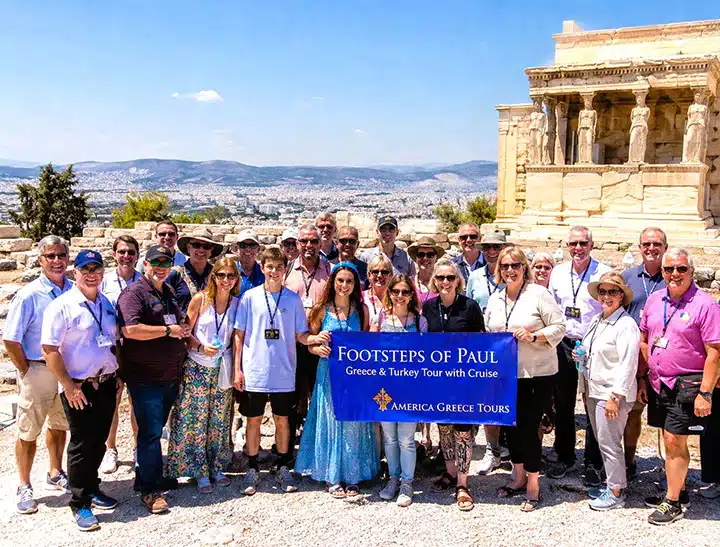
Footsteps of the Apostles Tour in Greece & Turkey with 4 Night Greek Island Cruise
11 Nights / 13 Days | Christian Greece Tour, including 4-Night Cruise & Northern Greece
From
Regular price
$5,840 |
Discount price
$4,995
Join our most popular Christian tour to Greece, where you’ll walk in the footsteps of the Apostle Paul, exploring the very cities and regions he visited during his missionary travels.
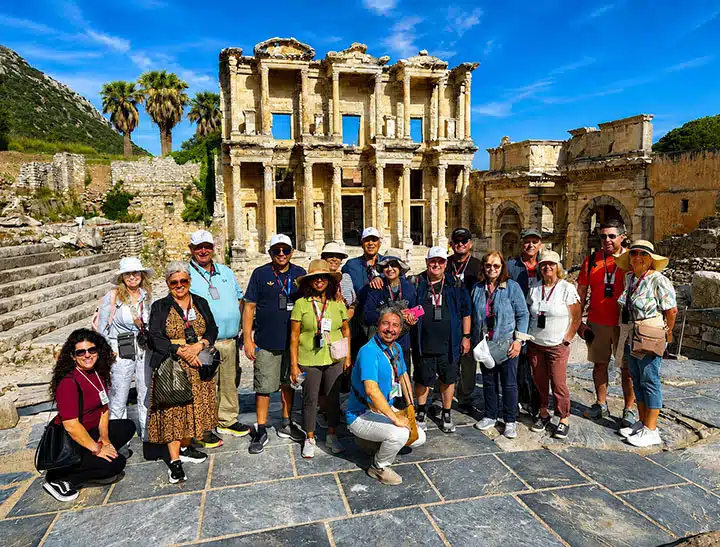
Churches of Revelation-Turkey & Greece with 3 night Greek Island Cruise
8 Nights / 10 Days | Turkey & Greece Journey, including 3-Night Cruise
From
Regular price
$4,695 |
Discount price
$3,945
Walk in the footsteps of Apostle Paul and John on a unique journey through the Seven Churches of Revelation, Patmos and Athens – an experience you won’t want to miss.

Footsteps of Paul Tour in Greece / Optional 3-Night Greek Island Cruise
7 Nights / 9 Days | Christian Tour to Greece
From
Regular price
$3,495 |
Discount price
$2,745
Join our popular Christian tour to Greece, where you will walk in footsteps of the Apostle Paul. Explore the region’s rich biblical history, visit sacred sites, and deepen your faith while enjoying the beauty of this ancient lands.