Parthenon in Athens, Greece
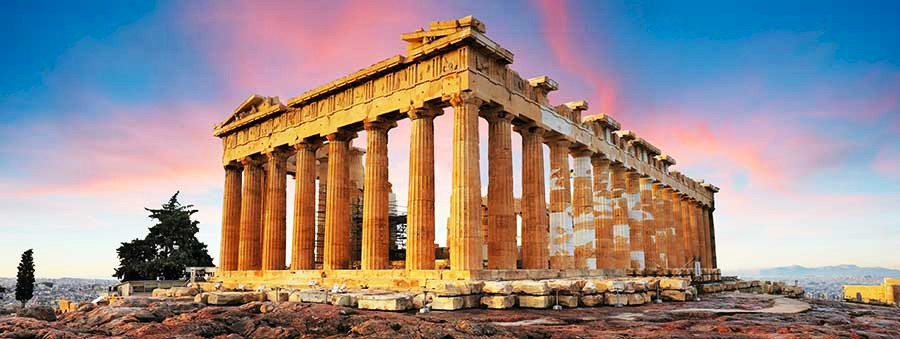
The Parthenon is one of the most famous ancient landmarks in the world and the defining symbol of Athens, Greece. Standing high above the city on the Acropolis, the Parthenon has overlooked Athens for nearly 2,500 years and continues to attract millions of visitors from around the globe. For travelers visiting Greece, the Parthenon is much more than an archaeological site. It represents the heart of ancient Greek civilization, classical architecture, philosophy, democracy, and the cultural legacy that helped shape the Western world.
For Christian travelers and those exploring Biblical Greece, the Parthenon and the Acropolis area also provide important historical context connected to the Apostle Paul’s visit to Athens in Acts 17.
Today, visiting the Parthenon remains one of the top experiences in Greece and a highlight of nearly every Athens itinerary.
What Is the Parthenon?
For many travelers visiting Athens for the first time, seeing the Parthenon in person becomes one of the most memorable moments of their Greece journey.
The Parthenon is an ancient Greek temple dedicated to Athena, the patron goddess of Athens. It was built during the 5th century BC during the height of the Athenian Golden Age under the leadership of Pericles.
Constructed primarily of Pentelic marble, the Parthenon is considered one of the greatest masterpieces of classical Greek architecture. The structure was designed by architects Ictinus and Callicrates, while the famous sculptor Phidias oversaw much of the artistic decoration.
The name “Parthenon” is believed to refer to Athena Parthenos, meaning “Athena the Virgin.”
Although originally built as a temple, the Parthenon has served many purposes throughout history, including a church, mosque, and military storage site.
Despite centuries of wars, explosions, and damage, the Parthenon still stands today as one of the most recognizable monuments in the world.
Where Is the Parthenon Located?
The Parthenon is located on the Acropolis of Athens, a rocky hill rising above the center of the city.
The Acropolis is home to several important ancient structures, but the Parthenon is by far the most famous.
The site sits above:
- The Ancient Agora
- Plaka neighborhood
- Monastiraki
- Mars Hill (Areopagus)
- The Acropolis Museum
Because of its elevated position, visitors enjoy panoramic views of Athens from the Acropolis.
Why Is the Parthenon So Famous?
The Parthenon is famous for several reasons.
First, it represents the peak of classical Greek architecture and engineering. The proportions, columns, symmetry, and visual refinements of the temple continue to influence architecture around the world.
Second, it symbolizes the achievements of ancient Athens during one of the most important periods in world history.
Third, the Parthenon became an enduring symbol of democracy, philosophy, art, and Western civilization.
Over the centuries, the structure survived invasions, religious transformations, earthquakes, and even a devastating explosion in 1687 when stored gunpowder detonated during a Venetian attack.
Today, restoration work continues to preserve the monument for future generations.
The Biblical Connection Near the Parthenon
While the Parthenon itself is not directly mentioned in the Bible, the surrounding Acropolis and Athens area hold important Biblical significance.
According to Acts 17, the Apostle Paul visited Athens during his missionary journeys. While in Athens, Paul preached near the Acropolis and delivered his famous sermon at Mars Hill, also known as the Areopagus.
Standing near the Parthenon today, visitors can imagine the environment Paul encountered when he addressed the Athenians about the “Unknown God.”
Many Christian travelers visiting Athens combine:
- The Parthenon
- The Acropolis
- Mars Hill (Areopagus)
- The Ancient Agora
- Sites connected to the ministry of Apostle Paul
These locations are frequently included on professionally organized Biblical Greece tours and Footsteps of the Apostle Paul tours.
Travelers exploring Athens often combine the Acropolis with nearby Biblical sites connected to the ministry of Apostle Paul in Greece.
What to See at the Acropolis Besides the Parthenon
Although the Parthenon is the centerpiece of the Acropolis, there are several other important monuments worth exploring.
Erechtheion
Known for its famous Caryatid statues, the Erechtheion was another important temple dedicated to Athena and Poseidon.
Temple of Athena Nike
This smaller temple near the entrance of the Acropolis honored Athena as the goddess of victory.
Propylaea
The monumental gateway that serves as the entrance to the Acropolis complex.
Acropolis Museum
Located below the Acropolis hill, the Acropolis Museum houses sculptures, artifacts, and original pieces from the Parthenon and surrounding structures.
The museum is considered one of the finest archaeological museums in Europe and is highly recommended for visitors wanting a deeper understanding of the Acropolis and ancient Athens.
What to Expect When Visiting the Parthenon
Visiting the Parthenon is one of the highlights of Athens, but travelers should prepare for a moderate uphill walk and large crowds, especially during summer.
The marble surfaces around the Acropolis can become slippery, particularly in hot weather, so comfortable walking shoes are highly recommended.
Summer temperatures in Athens can become very hot during the afternoon, making early morning or late afternoon visits more comfortable.
Most visitors spend approximately 1.5 to 3 hours exploring the Acropolis complex depending on their level of interest.
Because the site contains so much historical significance, many travelers prefer visiting with a licensed guide who can explain the history, architecture, mythology, and Biblical context of the area.
Many visitors are surprised by how much more meaningful the experience becomes when hearing the historical background while standing directly beneath the Parthenon and overlooking the city of Athens.
Best Time to Visit the Parthenon
The best times to visit the Parthenon are generally during:
- Spring (March–May)
- Fall (September–November)
These seasons offer more pleasant temperatures and fewer crowds compared to peak summer months.
For the best experience, visitors often arrive:
Many experienced travelers and tour groups prefer early morning visits, when temperatures are cooler and the lighting for photography across the Acropolis is often at its best.
- Early in the morning
- Later in the afternoon
- Near sunset
Summer midday visits can become extremely hot, particularly in July and August.
Guided Tours vs Visiting on Your Own
Some travelers choose to explore the Acropolis independently, while others prefer joining a guided tour.
A professional guide can provide:
- Historical explanations
- Architectural insights
- Biblical context
- Faster navigation through the site
- Better understanding of ancient Athens
For Christian travelers visiting Greece, guided Biblical tours often help bring the Apostle Paul’s journey and the history of Athens to life in a more meaningful way.
Many organized Greece tours combine the Acropolis with:
- Ancient Corinth
- Philippi
- Meteora
- Mars Hill
- Patmos
- Other sites connected to the New Testament
These journeys help travelers experience both the historical and Biblical side of Greece in a much deeper and more meaningful way.
Many organized Greece tours combine the Acropolis with:
- Ancient Corinth
- Thessaloniki
- Philippi
- Meteora
- Patmos
- Other sites connected to the New Testament
Helpful Tips for Visiting the Parthenon
Before visiting the Acropolis and Parthenon, keep these helpful tips in mind:
- Wear comfortable walking shoes
- Bring water during warmer months
- Arrive early to avoid crowds
- Purchase tickets in advance when possible
- Visit the Acropolis Museum afterward
- Allow time to explore nearby Plaka and Monastiraki
- Bring sun protection during summer
- Consider a guided tour for a more complete experience
Frequently Asked Questions
Is the Parthenon part of the Acropolis?
Yes. The Parthenon is the largest and most famous structure located on the Acropolis of Athens.
How old is the Parthenon?
The Parthenon was completed in 432 BC, making it nearly 2,500 years old.
Can visitors go inside the Parthenon?
Visitors can walk around the Parthenon but cannot enter the inner structure itself due to preservation efforts.
How long does it take to visit the Parthenon?
Most travelers spend between 1.5 and 3 hours exploring the Acropolis and surrounding monuments.
Is the Parthenon worth visiting?
Absolutely. The Parthenon is considered one of the most important archaeological landmarks in the world and one of the top attractions in Greece.
What is the Biblical significance of Athens?
Athens is important in the Bible because the Apostle Paul preached there during his missionary journeys, including his famous sermon at Mars Hill in Acts 17.
Did Apostle Paul visit the Acropolis?
The Bible specifically references Paul preaching at the Areopagus (Mars Hill), located directly below the Acropolis near the Parthenon.
What is the best way to visit the Parthenon?
Many travelers prefer joining a guided tour to better understand the historical, cultural, and Biblical significance of the Acropolis and Athens.
Final Thoughts
The Parthenon remains one of the greatest symbols of ancient Greece and one of the most remarkable historical landmarks in the world.
Whether you are interested in history, archaeology, architecture, culture, or Biblical travel, visiting the Parthenon offers an unforgettable experience in the heart of Athens.
For many travelers exploring Greece, standing beneath the Parthenon while overlooking the city of Athens becomes one of the most memorable moments of their journey.
Combined with nearby sites connected to the Apostle Paul and the New Testament, the Acropolis continues to inspire visitors from around the world and remains an essential stop on any Greece travel itinerary.


Visit The Parthenon on Your Tour to Greece
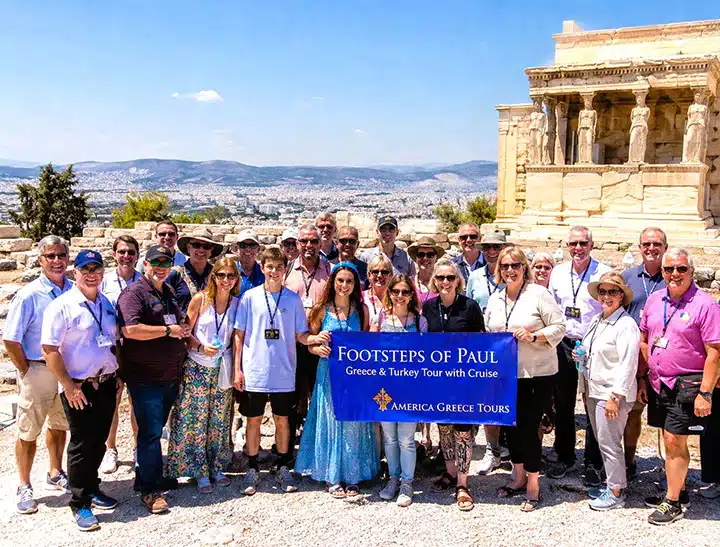
Footsteps of the Apostles Tour in Greece & Turkey with 4 Night Greek Island Cruise
11 Nights / 13 Days | Christian Greece Tour, including 4-Night Cruise & Northern Greece
From
Regular price
$5,840 |
Discount price
$4,995
Join our most popular Christian tour to Greece, where you’ll walk in the footsteps of the Apostle Paul, exploring the very cities and regions he visited during his missionary travels.
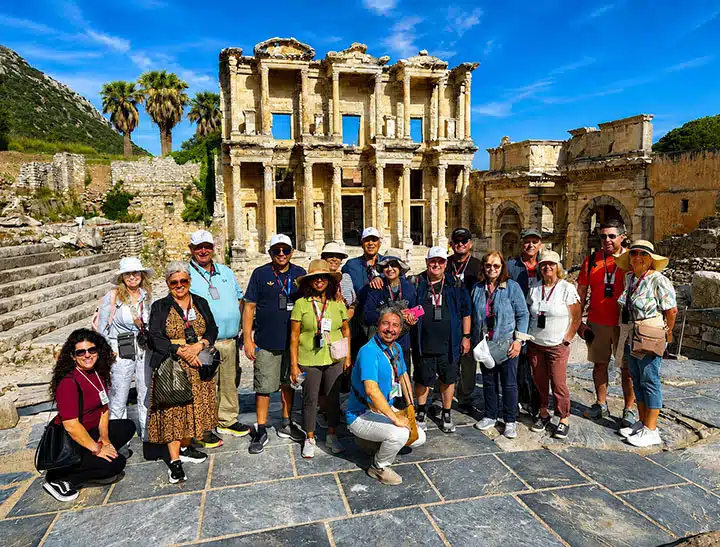
Churches of Revelation-Turkey & Greece with 3 night Greek Island Cruise
8 Nights / 10 Days | Turkey & Greece Journey, including 3-Night Cruise
From
Regular price
$4,695 |
Discount price
$3,945
Walk in the footsteps of Apostle Paul and John on a unique journey through the Seven Churches of Revelation, Patmos and Athens – an experience you won’t want to miss.

Footsteps of Paul Tour in Greece / Optional 3-Night Greek Island Cruise
7 Nights / 9 Days | Christian Tour to Greece
From
Regular price
$3,495 |
Discount price
$2,745
Join our popular Christian tour to Greece, where you will walk in footsteps of the Apostle Paul. Explore the region’s rich biblical history, visit sacred sites, and deepen your faith while enjoying the beauty of this ancient lands.