Panathenaic Stadium
The Panathenaic Stadium is one of the most unique historical landmarks in Athens and one of the most impressive athletic sites in the world. Built entirely of white marble, the stadium combines ancient Greek history, Olympic heritage, and modern cultural significance in one remarkable location.
For many travelers visiting Athens, the Panathenaic Stadium offers a fascinating look into the origins of the Olympic Games and the athletic traditions of ancient Greece.
The stadium is especially famous for hosting the first modern Olympic Games in 1896 and remains one of the top attractions in Athens for visitors interested in history, sports, culture, and ancient Greece.
For Christian travelers exploring Biblical Greece, the stadium also helps provide historical context for understanding the athletic imagery frequently referenced by the Apostle Paul throughout the New Testament.
What Is the Panathenaic Stadium?
The Panathenaic Stadium, also known as Kallimarmaro, is an ancient stadium in Athens originally built for the Panathenaic Games, athletic competitions held in honor of the goddess Athena.
The stadium dates back to ancient Greece and was later rebuilt in marble during Roman times by Herodes Atticus in the 2nd century AD.
What makes the Panathenaic Stadium especially unique is that it is the only major stadium in the world constructed entirely of marble.
The stadium became internationally famous in 1896 when it hosted the first modern Olympic Games.
Today, the Panathenaic Stadium remains an important symbol of Olympic history and Greek cultural heritage.
Where Is the Panathenaic Stadium Located?
The Panathenaic Stadium is located in central Athens near several major landmarks and neighborhoods.
The stadium sits close to:
- National Garden of Athens
- Temple of Olympian Zeus
- Syntagma Square
- Zappeion Hall
- Acropolis of Athens
- Plaka
Because of its central location, the stadium is easily accessible from most Athens hotels and tourist areas.
Many travelers combine the Panathenaic Stadium with other major Athens attractions during the same day.
Why Is the Panathenaic Stadium So Famous?
The Panathenaic Stadium is famous for several reasons.
First, it hosted the first modern Olympic Games in 1896, helping revive the Olympic tradition for the modern world.
Second, the stadium preserves one of the oldest athletic traditions in ancient Greece.
Third, its marble construction makes it one of the most visually striking stadiums ever built.
The stadium has hosted:
- Ancient athletic competitions
- Olympic ceremonies
- Cultural events
- Concerts
- Sporting celebrations
Today, visitors from around the world come to experience the birthplace of the modern Olympic movement and walk through one of the most historically significant sports venues in history.
Did You Know?
The Panathenaic Stadium was the finishing point of the marathon during the first modern Olympic Games in 1896 and continues to serve as the finish line for the annual Athens Marathon today.
This connection makes the stadium one of the most important Olympic landmarks in the world.
The Historical and Biblical Context of Athletics in Greece
Although the Panathenaic Stadium itself is not directly mentioned in the Bible, athletic competitions played a major role in ancient Greek and Roman society during the time of the Apostle Paul.
Paul frequently used athletic imagery in his teachings and letters, including references to:
- Running the race
- Finishing the course
- Competing for the prize
- Athletic discipline and endurance
Examples appear throughout the New Testament, including:
- 1 Corinthians 9:24–27
- Philippians 3:13–14
- 2 Timothy 4:7
For many Christian travelers visiting Greece, sites such as the Panathenaic Stadium help provide cultural and historical background that brings Paul’s writings to life in a more meaningful way.
Many visitors exploring Athens combine:
- The Panathenaic Stadium
- Acropolis of Athens
- Acropolis Museum
- Mars Hill (Areopagus)
- Ancient Agora
These locations are frequently included on Footsteps of the Apostle Paul tours and Biblical Greece itineraries.
What to See at the Panathenaic Stadium
The Panathenaic Stadium offers several interesting areas for visitors.
The Marble Seating
The stadium’s white marble seating is one of its most iconic features and creates a dramatic visual experience unlike any modern stadium.
Olympic Heritage Displays
Visitors can learn about:
- Ancient Greek athletics
- The history of the Olympics
- The revival of the modern Olympic Games
- Greece’s Olympic legacy
Running Track
Many visitors enjoy walking or jogging on the stadium track while imagining the athletes who competed there throughout history.
Panoramic Athens Views
The upper seating areas provide excellent views of Athens and nearby historical landmarks.
Many travelers are surprised by how peaceful and atmospheric the stadium feels compared to the busy streets surrounding central Athens.
What to Expect When Visiting the Panathenaic Stadium
The Panathenaic Stadium is relatively easy to visit and does not require as much walking as some larger archaeological sites in Athens.
Visitors should expect:
- Moderate walking
- Open seating areas
- Outdoor exposure during summer
- Historical exhibits and displays
- Photo opportunities throughout the stadium
Most travelers spend approximately 45 minutes to 1.5 hours exploring the stadium.
Because much of the site is outdoors and made of marble, summer visits can become hot during midday.
Morning and late afternoon visits are often more comfortable.
Travel Tip for Visiting the Panathenaic Stadium
Many experienced travelers combine the Panathenaic Stadium with nearby attractions such as the Temple of Olympian Zeus, National Garden, and Syntagma Square during the same morning or afternoon.
The stadium is also an excellent stop between the Acropolis area and central Athens sightseeing districts.
For the best photography lighting and cooler temperatures, early morning and later afternoon visits are usually ideal.
Best Time to Visit
The best times to visit the Panathenaic Stadium are generally:
- Spring (March–May)
- Fall (September–November)
These seasons offer:
- More comfortable temperatures
- Better walking conditions
- Fewer crowds
- Ideal photography opportunities
Summer afternoons can become very hot because of the exposed marble surfaces and limited shade.
Many organized tour groups prefer visiting earlier in the day.
Guided Tours vs Visiting Independently
Some travelers visit the Panathenaic Stadium independently, while others explore it as part of a guided Athens sightseeing tour.
A knowledgeable guide can help visitors better understand:
- Ancient Greek athletics
- Olympic history
- Roman reconstruction of the stadium
- Greek cultural traditions
- Historical context connected to the New Testament era
For Christian travelers exploring Greece, guided Biblical tours often help connect the historical world of ancient Greece with the writings and journeys of Apostle Paul.
Many organized Greece itineraries combine Athens with:
- Ancient Corinth
- Philippi
- Meteora
- Thessaloniki
- Patmos
- Other important Biblical destinations in Greece
Helpful Tips
Before visiting the stadium, keep these helpful tips in mind:
- Wear comfortable walking shoes
- Bring water during warmer months
- Bring sun protection during summer
- Visit earlier in the day during hot weather
- Bring a camera or phone for photography
- Combine your visit with nearby Athens attractions
- Allow extra time for photos and panoramic views
- Consider a guided Athens tour for deeper historical insight
Frequently Asked Questions
Is the Panathenaic Stadium worth visiting?
Absolutely. The stadium is one of the most unique historical sites in Athens and one of the world’s most important Olympic landmarks.
Why is the Panathenaic Stadium famous?
The stadium is famous for hosting the first modern Olympic Games in 1896 and for being constructed entirely of marble.
How long does it take to visit the Panathenaic Stadium?
Most travelers spend between 45 minutes and 1.5 hours exploring the stadium.
Can visitors walk inside the stadium?
Yes. Visitors can walk through the stadium and even access portions of the track and seating areas.
Is the Panathenaic Stadium connected to the Olympics?
Yes. The stadium hosted the first modern Olympic Games and remains an important symbol of Olympic history.
What is the Biblical significance of the stadium?
While not directly mentioned in the Bible, the athletic culture of ancient Greece helps provide context for many athletic metaphors used by Apostle Paul in the New Testament.
What is the best time to visit the Panathenaic Stadium?
Spring and fall generally provide the most comfortable temperatures and best overall experience.
Visit Panathenaic Stadium on Your Tour to Greece
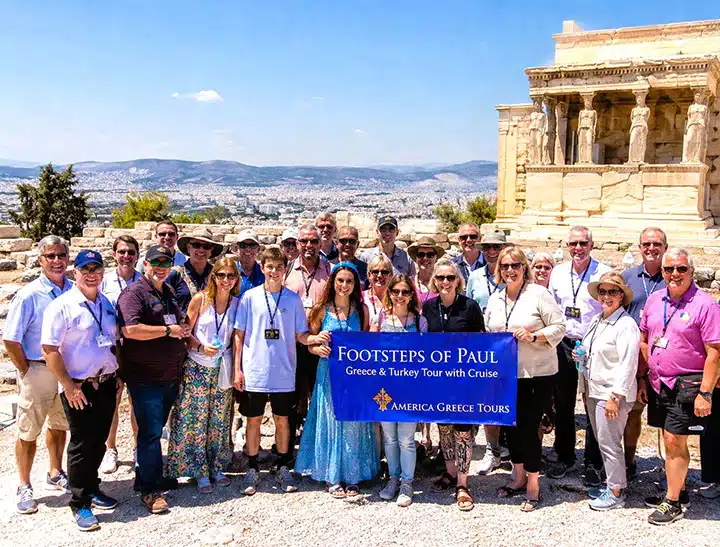
Footsteps of the Apostles Tour in Greece & Turkey with 4 Night Greek Island Cruise
11 Nights / 13 Days | Christian Greece Tour, including 4-Night Cruise & Northern Greece
From
Regular price
$5,840 |
Discount price
$4,995
Join our most popular Christian tour to Greece, where you’ll walk in the footsteps of the Apostle Paul, exploring the very cities and regions he visited during his missionary travels.
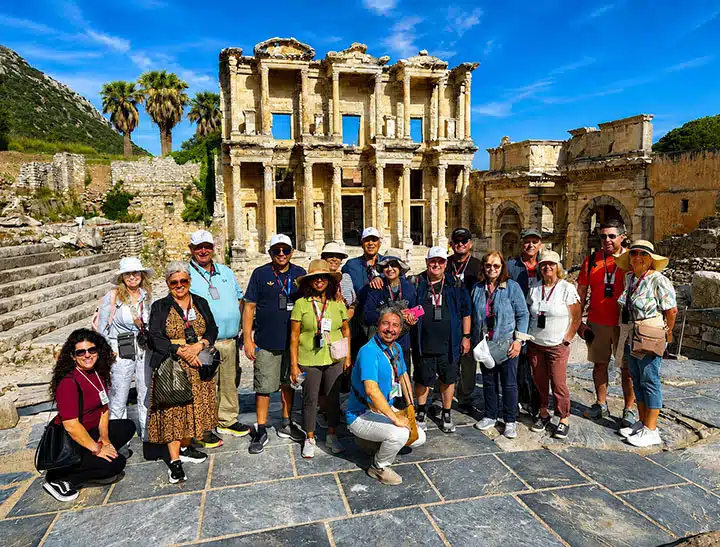
Churches of Revelation-Turkey & Greece with 3 night Greek Island Cruise
8 Nights / 10 Days | Turkey & Greece Journey, including 3-Night Cruise
From
Regular price
$4,695 |
Discount price
$3,945
Walk in the footsteps of Apostle Paul and John on a unique journey through the Seven Churches of Revelation, Patmos and Athens – an experience you won’t want to miss.

Footsteps of Paul Tour in Greece / Optional 3-Night Greek Island Cruise
7 Nights / 9 Days | Christian Tour to Greece
From
Regular price
$3,495 |
Discount price
$2,745
Join our popular Christian tour to Greece, where you will walk in footsteps of the Apostle Paul. Explore the region’s rich biblical history, visit sacred sites, and deepen your faith while enjoying the beauty of this ancient lands.