Olympia
Ancient Olympia is one of the most important archaeological sites in Greece and one of the most famous historical destinations in the world. Known as the birthplace of the Olympic Games, Olympia combines ancient history, Greek culture, mythology, archaeology, and athletic tradition in one unforgettable setting.
For many travelers visiting Greece, walking through Ancient Olympia becomes one of the highlights of their journey and one of the most inspiring experiences connected to the history of the ancient world.
Located in the western Peloponnese region of Greece, Olympia attracts visitors interested in:
- Ancient Greek history
- Archaeology
- Olympic history
- Greek mythology
- Educational travel
- Cultural and historical Greece itineraries
Today, Ancient Olympia remains one of the most visited UNESCO World Heritage Sites in Greece and continues to symbolize the origins of the Olympic spirit and athletic competition.
What Is Ancient Olympia?
Ancient Olympia was a major religious and athletic center in ancient Greece and the birthplace of the Olympic Games, which began in 776 BC.
The site was dedicated primarily to Zeus, king of the Greek gods, and became one of the most sacred sanctuaries in ancient Greece.
Every four years, athletes from across the Greek world traveled to Olympia to compete in the Olympic Games, which included:
- Running races
- Wrestling
- Boxing
- Chariot racing
- Other athletic competitions
During the Olympic Games, warfare between Greek city-states was temporarily suspended to allow safe travel to Olympia.
Today, visitors can explore:
- The ancient Olympic Stadium
- Temple of Zeus
- Temple of Hera
- Training facilities
- Archaeological ruins
- Ancient gymnasiums
- The Archaeological Museum of Olympia
For many travelers, Ancient Olympia provides one of the most immersive historical experiences in Greece.
Where Is Olympia Located?
Ancient Olympia is located in the western Peloponnese region of southern Greece.
The site sits near:
- Pyrgos
- Katakolo
- Western Peloponnese
- Major Greece cultural travel routes
Because of its location, Olympia is commonly included on:
- Greece history tours
- Peloponnese itineraries
- Educational and cultural journeys
- Cruise excursions from Katakolo
- Multi-day Greece road trips
Many travelers combine Olympia with:
- Ancient Corinth
- Athens
- Delphi
- Meteora
- Other major archaeological sites throughout Greece
Why Is Olympia So Famous?
Olympia is famous because it was the birthplace of the Olympic Games and one of the most important religious sanctuaries in ancient Greece.
The site became internationally recognized for:
- The ancient Olympics
- Greek athletic traditions
- The Temple of Zeus
- Ancient Greek culture
- Olympic history
- UNESCO World Heritage status
The original Olympic Games held at Olympia inspired the modern Olympic movement that continues today around the world.
For many travelers, standing inside the ancient Olympic Stadium becomes one of the most memorable moments of their Greece journey.
Visitors are often surprised by how peaceful and scenic Olympia feels compared to larger archaeological sites in Athens.
Did You Know?
The Olympic flame for the modern Olympic Games is still lit in Ancient Olympia before each Olympic Games ceremony.
The flame-lighting tradition connects the modern Olympics directly to their ancient Greek origins.
The Historical Importance of Olympia
Ancient Olympia played a major role in Greek religious, athletic, and cultural life for more than a thousand years.
The site represented:
- Unity among Greek city-states
- Athletic excellence
- Religious devotion
- Cultural celebration
- Peace during Olympic competitions
The Temple of Zeus at Olympia once housed one of the Seven Wonders of the Ancient World — the massive Statue of Zeus created by the sculptor Phidias.
For many travelers interested in history, Olympia offers a deeper understanding of:
- Ancient Greek civilization
- The origins of organized athletics
- Greek religious traditions
- The cultural importance of competition and honor
Today, Olympia remains one of the most educational and inspiring archaeological sites in Greece.
What to See in Ancient Olympia
Ancient Olympia contains several important archaeological landmarks and historical monuments.
Ancient Olympic Stadium
The stadium is the highlight of Olympia and the site where the ancient Olympic competitions took place.
Many visitors enjoy walking onto the original track and imagining the athletes who competed there thousands of years ago.
Temple of Zeus
Once one of the most magnificent temples in ancient Greece and home to the famous Statue of Zeus.
Temple of Hera
One of the oldest temples in Olympia and the location where the Olympic flame ceremony is held today.
Gymnasium and Training Areas
Athletes trained in these areas before competing in the Olympic Games.
Archaeological Museum of Olympia
The museum contains important artifacts discovered throughout Olympia, including:
- Sculptures
- Olympic artifacts
- Temple decorations
- Ancient statues
- Historical exhibits
Many travelers are surprised by how extensive and beautifully preserved portions of the archaeological site remain.
What to Expect When Visiting Olympia
Visiting Ancient Olympia involves:
- Moderate walking
- Outdoor archaeological ruins
- Scenic gardens and pathways
- Historical monuments
- Museum exploration
Visitors should expect:
- Warm temperatures during summer
- Large open areas
- Olive trees and shaded sections
- Excellent photography opportunities
- Historical displays and signage
Most travelers spend:
- 2–4 hours exploring the archaeological site and museum
- Or longer when combined with nearby Peloponnese destinations
Comfortable walking shoes and water are highly recommended, especially during warmer months.
Many visitors describe Olympia as one of the most peaceful archaeological sites in Greece because of its natural surroundings and spacious layout.
Travel Tip for Visiting Olympia
Travel Tip: Many experienced travelers recommend visiting Olympia earlier in the day during summer because the archaeological site involves extensive outdoor walking.
Many visitors also combine Olympia with:
- The Peloponnese region
- Ancient Corinth
- Nafplio
- Mycenae
- Delphi
for a more complete Greece historical itinerary.
Taking extra time to visit the Archaeological Museum of Olympia is highly recommended because it provides important historical context for understanding the Olympic Games and ancient Greek culture.
Best Time to Visit Olympia
The best times to visit Olympia are generally:
- Spring (March–May)
- Fall (September–November)
These seasons offer:
- Pleasant temperatures
- Comfortable walking conditions
- Fewer crowds
- Excellent photography lighting
Spring is especially beautiful because of the green landscapes and blooming vegetation surrounding the site.
Summer remains popular but can become hot during midday because much of Olympia is outdoors.
Guided Tours vs Visiting Independently
Some travelers visit Olympia independently, while others explore it as part of a guided Greece history or cultural tour.
A knowledgeable guide can help visitors better understand:
- The Olympic Games
- Ancient Greek athletics
- Greek mythology
- Archaeology and ruins
- Religious significance of Olympia
- Ancient Greek culture and traditions
For travelers interested in history and education, guided tours often provide a much deeper understanding of Olympia’s importance within the ancient world.
Many organized Greece itineraries combine Olympia with:
- Ancient Corinth
- Delphi
- Meteora
- Athens
- Peloponnese travel routes
Helpful Tips for Visiting Olympia
Before visiting Ancient Olympia, keep these helpful tips in mind:
- Wear comfortable walking shoes
- Bring water during warmer months
- Bring sun protection during summer
- Allow extra time for the museum
- Visit earlier in the day during hot weather
- Bring a camera for photography
- Prepare for outdoor walking
- Consider joining a guided historical tour
- Allow time to walk through the Olympic Stadium
Frequently Asked Questions
Is Ancient Olympia worth visiting?
Absolutely. Ancient Olympia is one of the most important archaeological and historical sites in Greece.
Why is Olympia famous?
Olympia is famous as the birthplace of the Olympic Games and one of the most sacred religious sites in ancient Greece.
Where is Olympia located?
Olympia is located in the western Peloponnese region of southern Greece.
Can visitors enter the ancient Olympic Stadium?
Yes. Visitors can walk inside the ancient Olympic Stadium and along the original track area.
How long does it take to visit Olympia?
Most travelers spend between 2 and 4 hours exploring the archaeological site and museum.
Is there a museum at Olympia?
Yes. The Archaeological Museum of Olympia contains important artifacts and historical exhibits connected to the site.
What is the best time to visit Olympia?
Spring and fall generally provide the best weather and overall visitor experience.
Visit Olympia on Your Tour to Greece
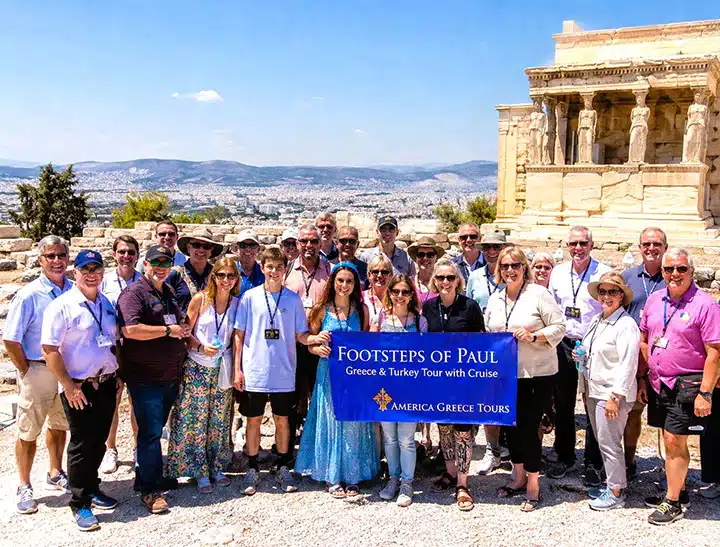
Footsteps of the Apostles Tour in Greece & Turkey with 4 Night Greek Island Cruise
11 Nights / 13 Days | Christian Greece Tour, including 4-Night Cruise & Northern Greece
From
Regular price
$5,840 |
Discount price
$4,995
Join our most popular Christian tour to Greece, where you’ll walk in the footsteps of the Apostle Paul, exploring the very cities and regions he visited during his missionary travels.
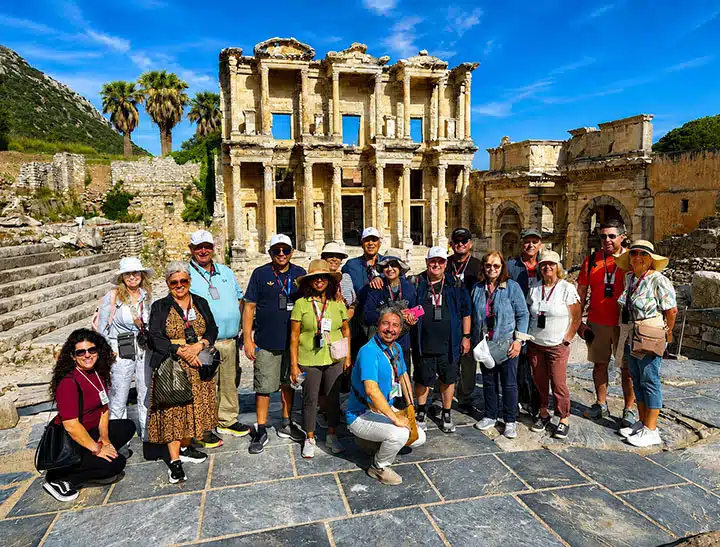
Churches of Revelation-Turkey & Greece with 3 night Greek Island Cruise
8 Nights / 10 Days | Turkey & Greece Journey, including 3-Night Cruise
From
Regular price
$4,695 |
Discount price
$3,945
Walk in the footsteps of Apostle Paul and John on a unique journey through the Seven Churches of Revelation, Patmos and Athens – an experience you won’t want to miss.

Footsteps of Paul Tour in Greece / Optional 3-Night Greek Island Cruise
7 Nights / 9 Days | Christian Tour to Greece
From
Regular price
$3,495 |
Discount price
$2,745
Join our popular Christian tour to Greece, where you will walk in footsteps of the Apostle Paul. Explore the region’s rich biblical history, visit sacred sites, and deepen your faith while enjoying the beauty of this ancient lands.