Battlefield of Thermopylae
Battlefield of Thermopylae – Complete Visitor & Historical Travel Guide
The Battlefield of Thermopylae is one of the most famous historical sites in Greece and one of the most legendary battle locations in world history. Known for the heroic stand of King Leonidas and the 300 Spartans against the Persian Empire in 480 BC, Thermopylae has become a global symbol of courage, sacrifice, and resistance against overwhelming odds.
For many travelers visiting Greece, standing on the historic battlefield of Thermopylae becomes a powerful and emotional experience that brings ancient history vividly to life.
Located in central Greece between Athens and northern Greece, Thermopylae combines:
- Ancient military history
- Greek heritage
- Scenic mountain landscapes
- Historical monuments
- Archaeological interest
- Educational and cultural travel
Today, the Battlefield of Thermopylae remains one of the most important historical landmarks in Greece and is frequently included on:
- Greece history tours
- Educational itineraries
- Northern Greece routes
- Multi-day Greece cultural journeys
What Is the Battlefield of Thermopylae?
The Battlefield of Thermopylae is the site where one of the most famous battles in ancient history took place during the Greco-Persian Wars.
In 480 BC, a small Greek alliance led by Spartan King Leonidas attempted to block the massive invading Persian army led by King Xerxes.
The narrow mountain pass at Thermopylae created a strategic defensive position where the Greeks were able to resist the Persians for several days despite being heavily outnumbered.
The battle later became legendary because of the bravery and sacrifice of the Spartan warriors and their allies.
Today, visitors can explore:
- The Leonidas Monument
- Historical battlefield areas
- Memorials and statues
- Informational displays
- Nearby hot springs
- Scenic mountain surroundings
For many travelers, Thermopylae represents one of the most iconic moments in ancient Greek history.
Where Is Thermopylae Located?
Thermopylae is located in central Greece near the town of Lamia, approximately halfway between Athens and Meteora.
The site sits along a major travel route connecting:
- Athens
- Central Greece
- Meteora
- Thessaloniki
- Northern Greece
Because of its location, Thermopylae is commonly included on:
- Greece cultural itineraries
- Historical tours of Greece
- Multi-day Greece road trips
- Northern Greece travel routes
Many travelers combine Thermopylae with:
- Meteora
- Delphi
- Athens
- Thessaloniki
- Other major historical destinations in Greece
Why Is Thermopylae So Famous?
Thermopylae is famous because of the Battle of Thermopylae and the legendary defense led by King Leonidas and the Spartans.
The battle became internationally known for:
- Spartan bravery
- Military strategy
- Ancient Greek history
- The story of the 300 Spartans
- Resistance against overwhelming forces
- Its influence on Western history and culture
The battle has inspired:
- Books
- Films
- Historical studies
- Military analysis
- Popular culture worldwide
For many visitors, Thermopylae symbolizes courage, discipline, sacrifice, and determination.
Standing at the battlefield today allows travelers to better understand how the narrow mountain pass once created one of history’s most famous defensive positions.
Did You Know?
The name “Thermopylae” means “Hot Gates,” referring to the natural hot sulfur springs that still exist in the area today.
In ancient times, the narrow pass between the mountains and sea made Thermopylae one of the most strategically important locations in Greece.
The Historical Importance of Thermopylae
The Battle of Thermopylae played a major role in the history of ancient Greece and the Greco-Persian Wars.
Although the Greeks were eventually defeated at Thermopylae, the resistance shown by Leonidas and his forces became a powerful symbol throughout Greek history and helped inspire further Greek victories against the Persian Empire.
The battle demonstrated:
- Spartan military discipline
- The strategic importance of terrain
- Greek city-state alliances
- The determination of smaller forces against larger armies
For many travelers interested in history, Thermopylae provides an important opportunity to better understand:
- Ancient Greece
- Spartan culture
- Military history
- Greek identity and heritage
Today, the battlefield remains one of the most educational historical sites in Greece.
What to See at Thermopylae
The Thermopylae area contains several historical monuments and points of interest.
Leonidas Monument
The statue of King Leonidas is the most famous landmark at Thermopylae and serves as the main memorial to the Spartan king and his warriors.
Many travelers stop here for photographs and historical reflection.
Spartan Memorial
Additional inscriptions and memorials honor the Greek soldiers who fought at Thermopylae.
Historical Battlefield Area
Visitors can explore the general battlefield region and learn how the geography shaped the battle.
Informational Displays and Museum Areas
Historical displays explain:
- The battle itself
- Military strategy
- Ancient Greece
- The Persian invasion
- Spartan warfare
Natural Hot Springs
The nearby thermal springs continue to flow in the region and are part of the site’s historical identity.
Many visitors are surprised by how peaceful and scenic the area feels today compared to the dramatic historical events that took place there.
What to Expect When Visiting Thermopylae
Visiting Thermopylae is generally easier and less physically demanding than many larger archaeological sites in Greece.
Visitors should expect:
- Open outdoor monuments
- Historical memorials
- Scenic mountain surroundings
- Moderate walking
- Informational signs and displays
Most travelers spend:
- 30 minutes to 1.5 hours at the site
- Or longer when combined with nearby stops and museums
Because Thermopylae is often visited while traveling between destinations, many tour groups include it as a meaningful stop during longer Greece itineraries.
Many visitors describe Thermopylae as more emotional and symbolic than heavily archaeological compared to sites such as Delphi or Ancient Corinth.
Travel Tip: Many experienced travelers visit Thermopylae while traveling between Athens and Meteora because the site makes an excellent historical stop along the route through central Greece.
The Leonidas Monument is especially popular for photography and quick sightseeing breaks during longer travel days.
Many travelers also combine Thermopylae with:
- Meteora
- Delphi
- Athens
- Thessaloniki
- Northern Greece road trips
for a more complete Greece historical journey.
Best Time to Visit
The best times to visit Thermopylae are generally:
- Spring (March–May)
- Fall (September–November)
These seasons offer:
- Pleasant temperatures
- Comfortable sightseeing conditions
- Clear mountain views
- Better photography lighting
Summer remains popular but can become hotter during midday.
Because much of the site is outdoors, early morning and later afternoon visits are often more comfortable during warmer months.
Guided Tours vs Visiting Independently
Some travelers visit Thermopylae independently, while others explore it as part of a guided Greece history or cultural tour.
A knowledgeable guide can help visitors better understand:
- The Battle of Thermopylae
- Spartan military history
- Ancient Greek warfare
- Persian invasions
- Historical geography of the battlefield
For travelers exploring Greece in depth, guided tours often provide much richer historical insight into the significance of Thermopylae within ancient Greek history.
Many organized Greece itineraries combine Thermopylae with:
- Meteora
- Delphi
- Athens
- Thessaloniki
- Northern Greece travel routes
Helpful Tips for Visiting Thermopylae
Before visiting Thermopylae, keep these helpful tips in mind:
- Bring water during warmer months
- Wear comfortable walking shoes
- Bring a camera for photography
- Allow time to read the historical displays
- Combine the stop with Meteora or Delphi
- Visit earlier in the day during summer
- Bring sun protection during warmer weather
- Consider joining a guided historical tour
Frequently Asked Questions
Is Thermopylae worth visiting?
Absolutely. Thermopylae is one of the most important historical battlefields in Greece and offers a powerful connection to ancient history.
Why is Thermopylae famous?
Thermopylae is famous for the Battle of Thermopylae and the legendary stand of King Leonidas and the 300 Spartans against the Persian army.
Where is Thermopylae located?
Thermopylae is located in central Greece near Lamia between Athens and northern Greece.
How long does it take to visit Thermopylae?
Most travelers spend between 30 minutes and 1.5 hours visiting the battlefield area and monuments.
What does Thermopylae mean?
The name Thermopylae means “Hot Gates,” referring to the natural thermal springs in the region.
Is there a museum at Thermopylae?
The area includes historical displays and information about the battle and ancient Greek history.
What is the best time to visit Thermopylae?
Spring and fall generally provide the best weather and sightseeing conditions.
Visit the Battlefield of Thermopylae on Your Tour to Greece

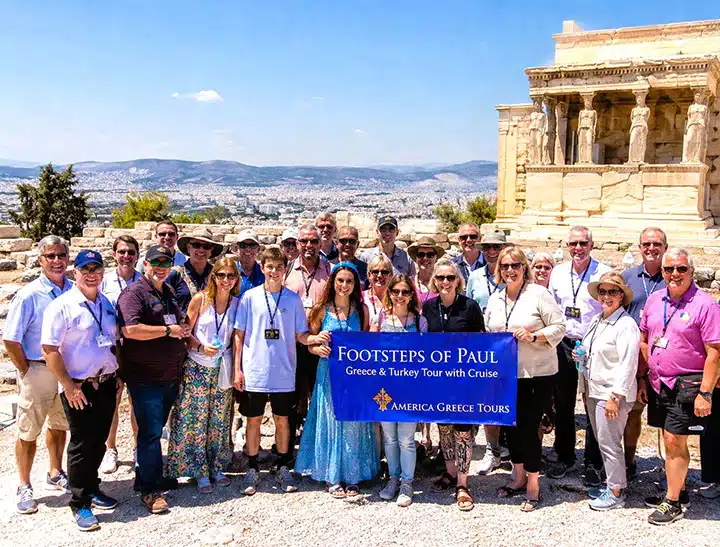
Footsteps of Paul Tour in Greece / Optional 3-Night Greek Island Cruise
7 Nights / 9 Days | Christian Tour to Greece
From
Regular price
$3,495 |
Discount price
$2,745
Join our popular Christian tour to Greece, where you will walk in footsteps of the Apostle Paul. Explore the region’s rich biblical history, visit sacred sites, and deepen your faith while enjoying the beauty of this ancient lands.
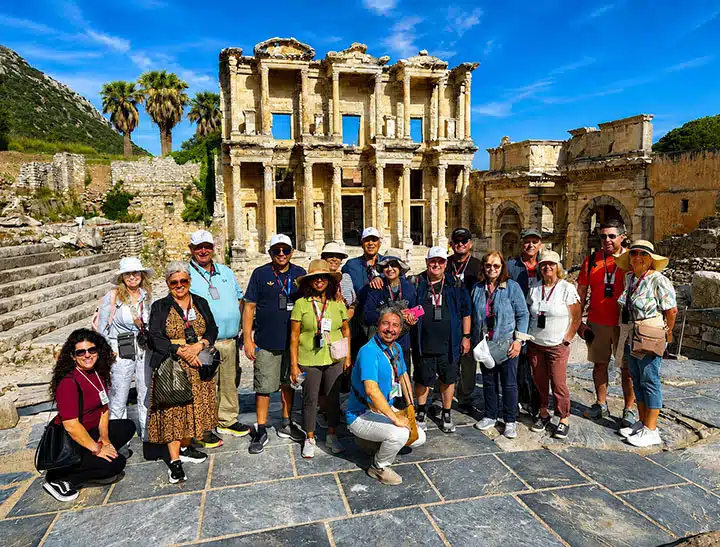
Footsteps of the Apostles Tour in Greece & Turkey with 4 Night Greek Island Cruise
11 Nights / 13 Days | Christian Greece Tour, including 4-Night Cruise & Northern Greece
From
Regular price
$5,840 |
Discount price
$4,995
Join our most popular Christian tour to Greece, where you’ll walk in the footsteps of the Apostle Paul, exploring the very cities and regions he visited during his missionary travels.
Churches of Revelation-Turkey & Greece with 3 night Greek Island Cruise
8 Nights / 10 Days | Turkey & Greece Journey, including 3-Night Cruise
From
Regular price
$4,695 |
Discount price
$3,945
Walk in the footsteps of Apostle Paul and John on a unique journey through the Seven Churches of Revelation, Patmos and Athens – an experience you won’t want to miss.