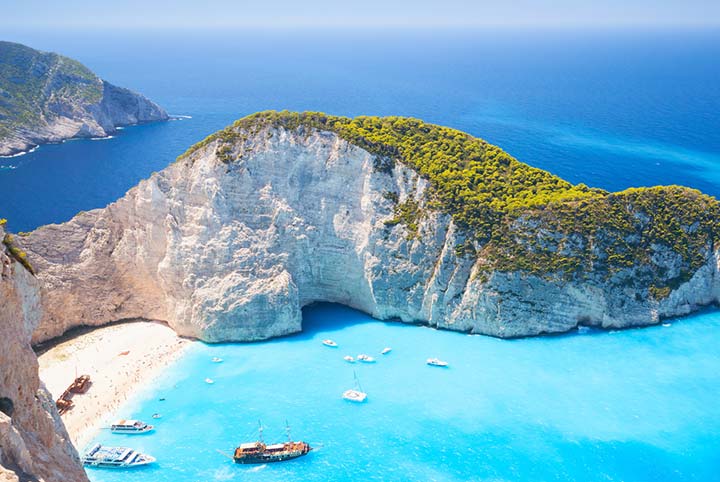
The Missionary Journeys of Paul in Greece: Walking in the Footsteps of Faith
The journeys of the Apostle Paul through Greece didn’t just spread the Gospel—they helped shape the future of Christianity in Europe. While much of the New Testament focuses on Jesus’ life and teachings in the Holy Land, Paul’s missionary work carried the message of Christ beyond Israel, into new lands and cultures. For travelers participating in Christian tours, following Paul’s path provides a deeply spiritual and historically rich experience. These are real cities, real roads, and real communities where the early Church came to life.
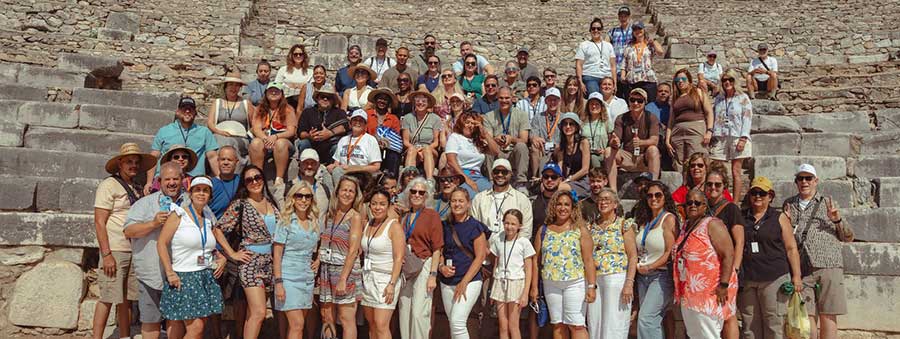
The Call to Macedonia: Christianity Reaches Europe
Paul’s mission in Greece began with a divine vision. In Acts 16, he saw a man from Macedonia calling, “Come over to Macedonia and help us.” Responding to this direction, Paul crossed the Aegean Sea, marking the first recorded entrance of Christianity into Europe. This pivotal moment established Greece as the gateway for the Gospel to influence Western civilization. Today, biblical tours highlight this journey as a cornerstone of Christian history.
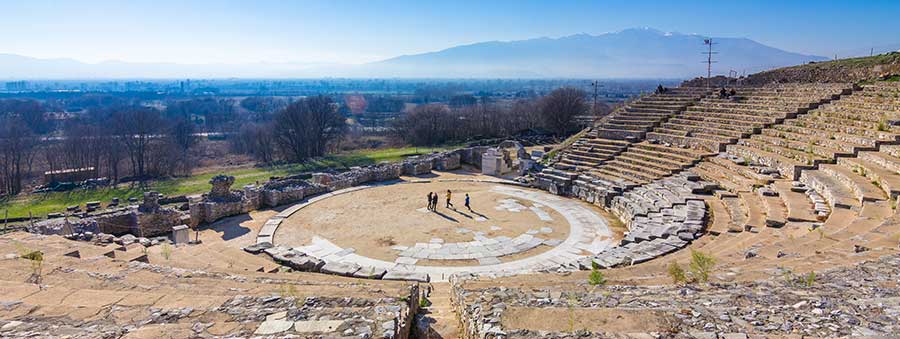
Philippi: Europe’s First Church
Philippi, a Roman colony in Macedonia, was Paul’s first major stop in Greece. Here, several key events shaped early European Christianity:
- Lydia’s conversion – a merchant of purple cloth, recognized as the first Christian convert in Europe.
- Imprisonment and miracle – Paul and Silas were jailed after freeing a slave girl from a spirit. A miraculous earthquake opened the prison doors, leading to the jailer’s conversion.
Visitors today can explore the ruins of Philippi, including early Christian basilicas and the traditional site of Lydia’s baptism. Standing among these archaeological remnants offers a tangible connection to the Book of Acts. Philippi represents the symbolic beginning of a European Christian identity and is a highlight on any biblical Greece tour.
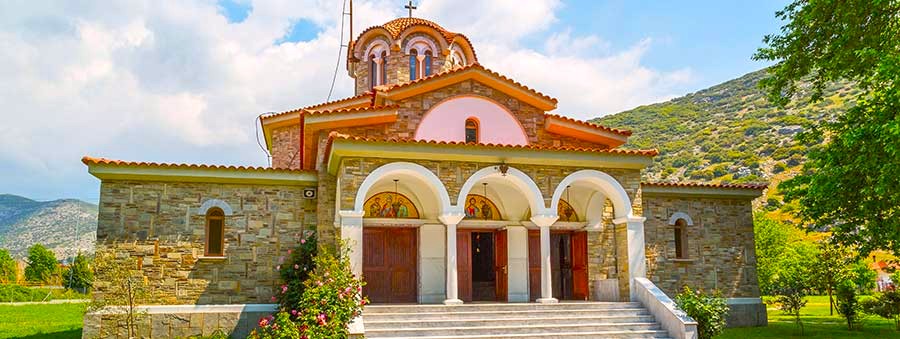
Thessaloniki: A Strong and Enduring Christian Community
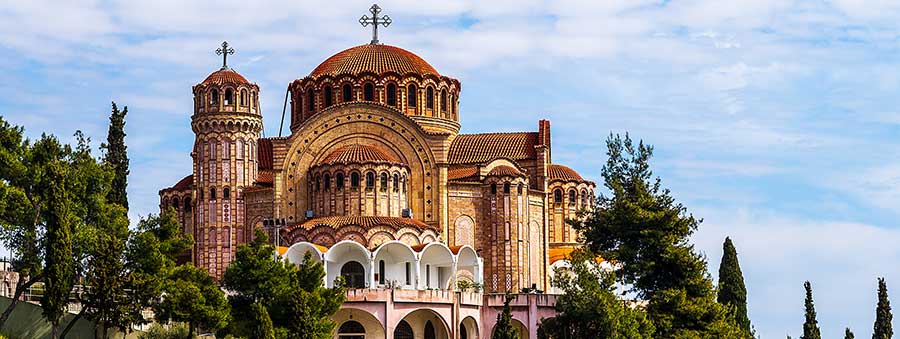
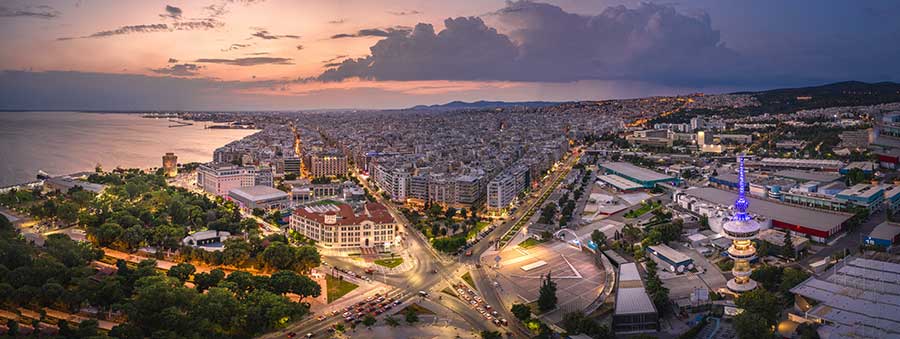
From Philippi, Paul traveled to Thessaloniki. As was his custom, he began teaching in the synagogue. Some Jews believed, along with many Greeks, but opposition quickly arose. Despite persecution, a strong church was formed. Paul later wrote 1 and 2 Thessalonians, two of the earliest New Testament letters, which encouraged believers facing trials and clarified teachings about Christ’s return. Modern Thessaloniki remains one of the most spiritually significant citiesin Greece, retaining a rich Christian heritage for travelers to experience.
Berea: Noble Hearts and Open Minds
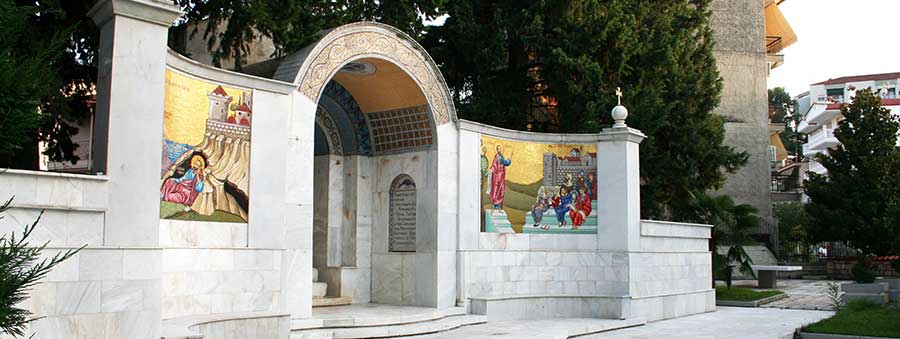
In Berea, Paul encountered a different response. Acts describes the Bereans as “more noble” because they examined the Scriptures daily to verify Paul’s message. Berea’s story emphasizes a key theme of Paul’s ministry: faith grounded in thoughtful engagement with Scripture. Though less famous than other cities, Berea represents spiritual discernment and openness. Biblical tours in Greece often include Berea as a destination for those seeking to explore early Christian faith in depth.
Athens: The Sermon on Mars Hill
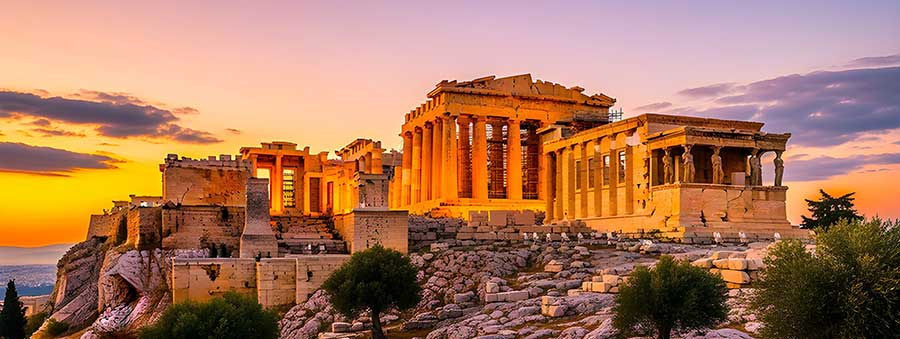
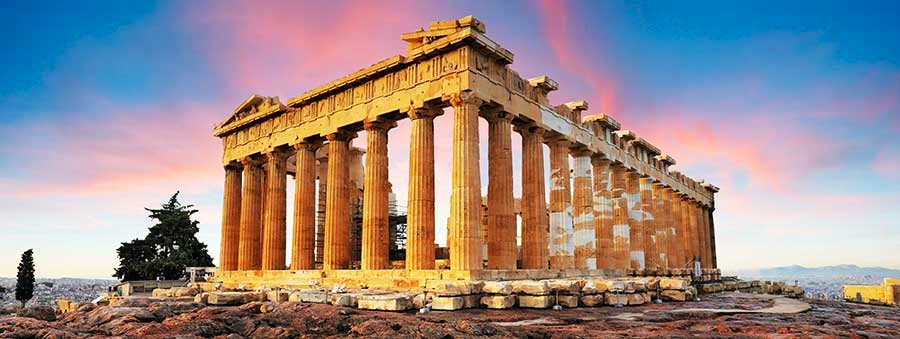
Athens provided one of the most dramatic moments in Paul’s journeys through Greece. Distressed by the city’s many idols, Paul reasoned with people in the marketplace and was eventually invited to speak at the Areopagus, known as Mars Hill. There, Paul delivered a sermon that bridged Jewish theology and Greek philosophy. Referring to an altar dedicated “To an Unknown God,” he proclaimed the God of creation and the resurrection of Christ. Some listeners mocked, while others believed. Today, travelers can stand on the same rocky outcrop overlooking the Acropolis, reflecting on the meeting of Christianity and classical Greek culture, a pivotal moment still celebrated in biblical tours in Athens.
Corinth: Ministry in a Strategic Greek City
After Athens, Paul spent roughly 18 months in Corinth, one of Greece’s most influential cities. During his stay:
- Paul worked as a tentmaker alongside Aquila and Priscilla
- He preached in both synagogues and public areas
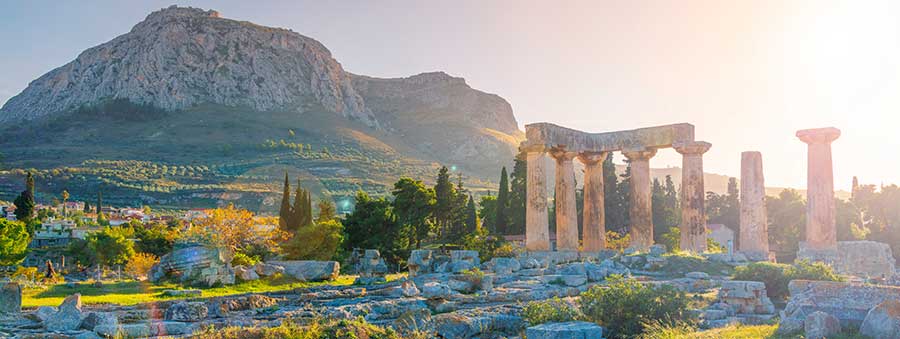
- He appeared before the Roman proconsul Gallio at the Bema, a structure still visible today
The Corinthian church faced significant moral and theological challenges, addressed in Paul’s letters to the Corinthians. Topics included unity, spiritual gifts, love, resurrection, and church discipline. Ancient Corinth vividly illustrates the real-life struggles of early Christian communities, making it an essential stop on any Christian tour of Greece.
The Lasting Impact of Paul’s Work in Greece
The churches Paul founded in Philippi, Thessaloniki, and Corinth became influential hubs. Through these communities:
- Christianity spread further into Europe
- Foundational teachings were clarified through Paul’s epistles
- Leadership structures of the early Church were developed
Greece was far more than a waypoint on Paul’s journey—it was a strategic region that helped transform Christianity into a global faith. Today, these cities remain key destinations on faith-based tours of Greece.
Why Paul’s Journey Remains Relevant Today
Walking in Paul’s footsteps offers more than historical insight. It provides perspective on:
- Courage in the face of opposition
- Engaging culture without compromising faith
- The importance of building strong faith communities
- Understanding the global mission of Christianity
For modern travelers, these lessons remain deeply relevant. Visiting these sites is not merely sightseeing-it is stepping into history where the Gospel first crossed borders and transformed lives.
Frequently Asked Questions About Paul’s Missionary Journeys in Greece
Did Paul really travel to Greece?
Yes. The Book of Acts clearly documents Paul’s visits to Macedonia and Achaia, regions that correspond to modern Greece.
Which Greek cities did Paul visit?
Philippi, Thessaloniki, Berea, Athens, and Corinth are the main cities mentioned in Scripture.
Can visitors explore the sites where Paul preached?
Absolutely. Archaeological sites like Philippi, Ancient Corinth, and Mars Hill in Athens are open to visitors and often included on Christian tours.
Why are Paul’s letters to Greek churches important?
Epistles such as 1 & 2 Corinthians and 1 & 2 Thessalonians address foundational Christian doctrines and practical church issues, continuing to shape Christian theology today.
How long did Paul stay in Greece?
Paul’s ministry varied by city, including about 18 months in Corinth, with multiple visits over several years.
A Living Legacy: Experience Paul’s Journeys in Greece
Paul’s missionary journeys through Greece represent a turning point in history. From the riverbanks of Philippi to Athens’ marketplace and the bustling port of Corinth, the story of the early Church unfolds across the Greek landscape. For travelers seeking to understand how the Gospel spread from Judea to Europe, walking in Paul’s footsteps on a tour offers an unforgettable, life-changing experience.