Discover Meteora: Greece’s Sacred Monasteries in the Sky
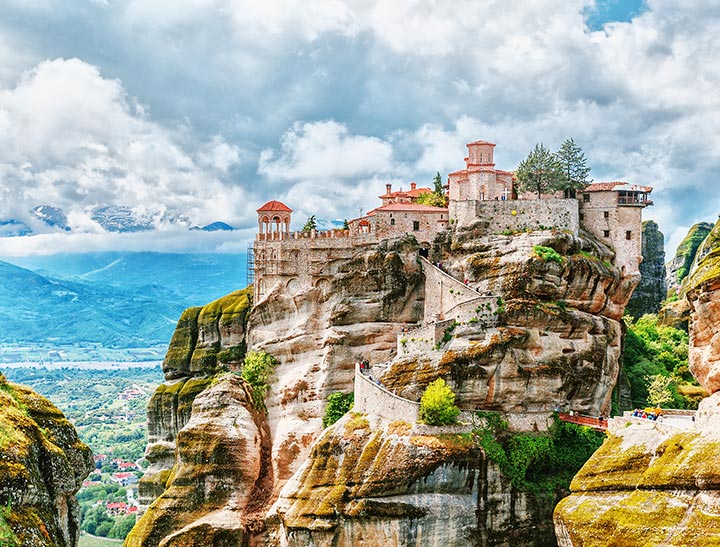
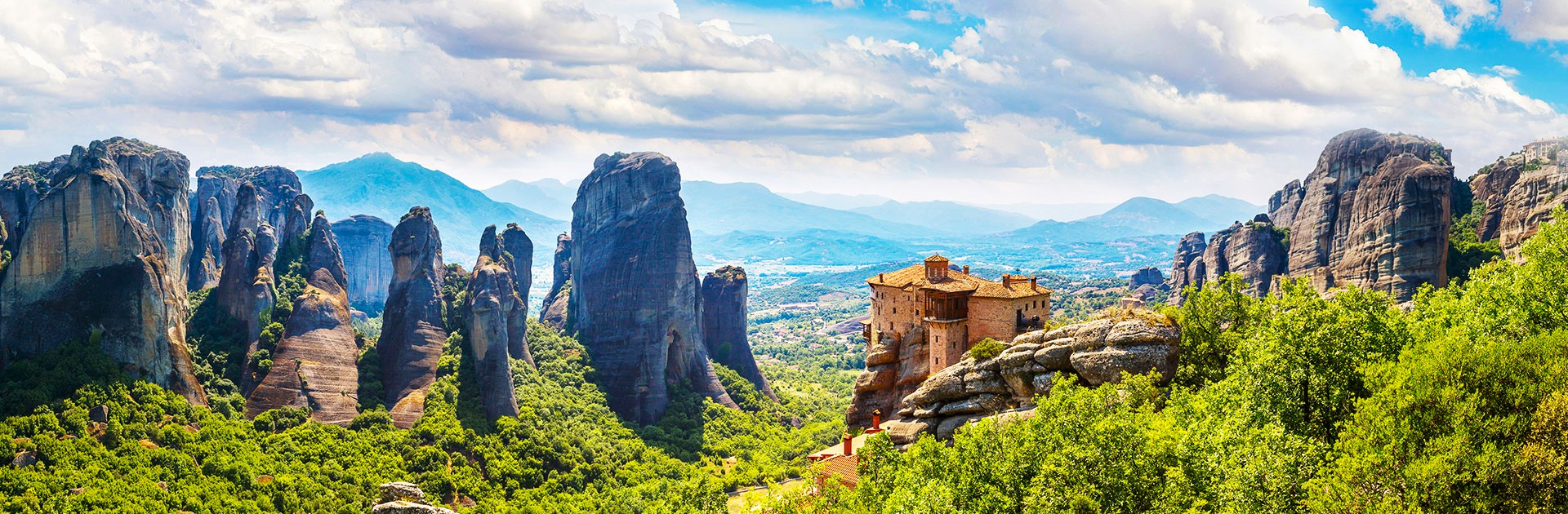
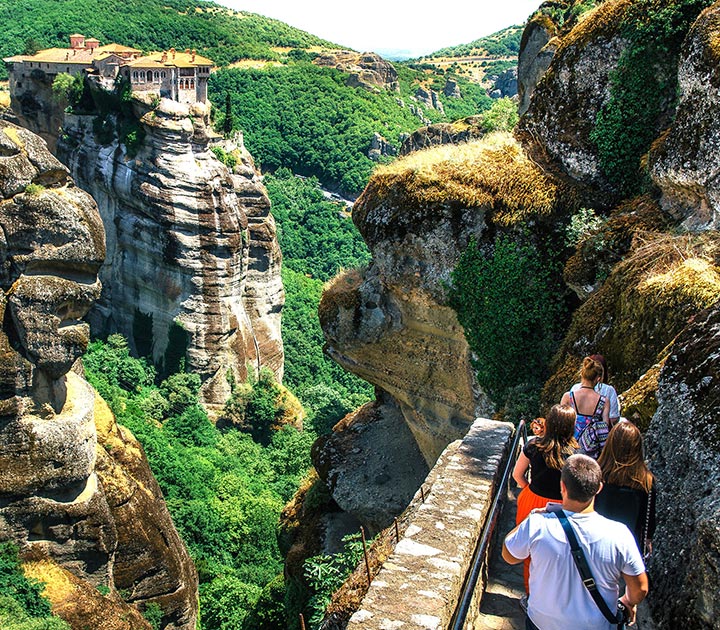
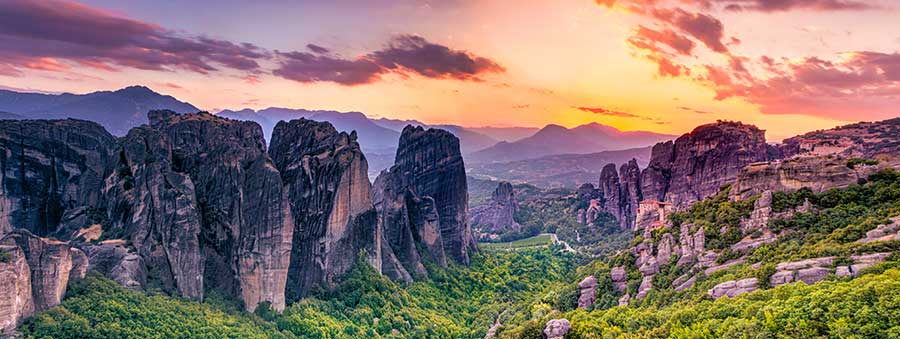
If there is one place in Greece that truly feels beyond ordinary, it is Meteora. Massive rock pillars rise straight out of the earth, and at the very top of them sit centuries-old monasteries—seemingly suspended between heaven and earth. It’s the kind of landscape that doesn’t just impress you – it stays with you. But Meteora is more than just a scenic stop. It’s one of the most meaningful destinations in Greece, where history, faith, and natural beauty all come together.
What Makes Meteora So Unique
Meteora is located in central Greece, near the town of Kalambaka, and is considered one of the most important religious sites in the country.
What makes it truly special is the combination of:
- Unusual rock formations found nowhere else in Greece
- Monasteries built on top of those rocks centuries ago
- A spiritual legacy that continues to this day
Today, Meteora is recognized as a UNESCO World Heritage Site and is often included as a highlight in many Greece itineraries – and for good reason.
The Story Behind the Monasteries
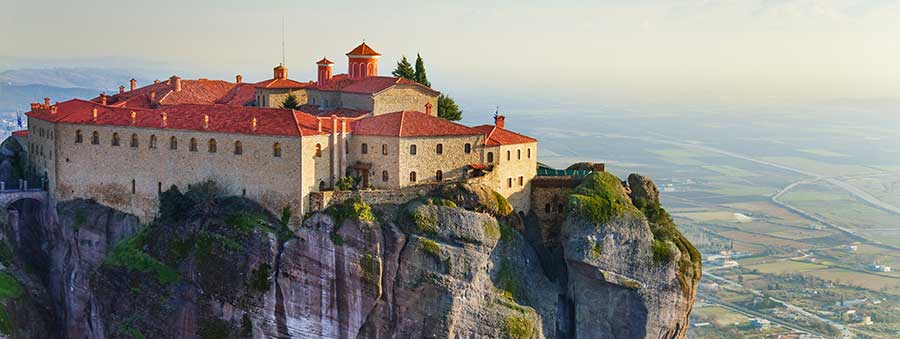
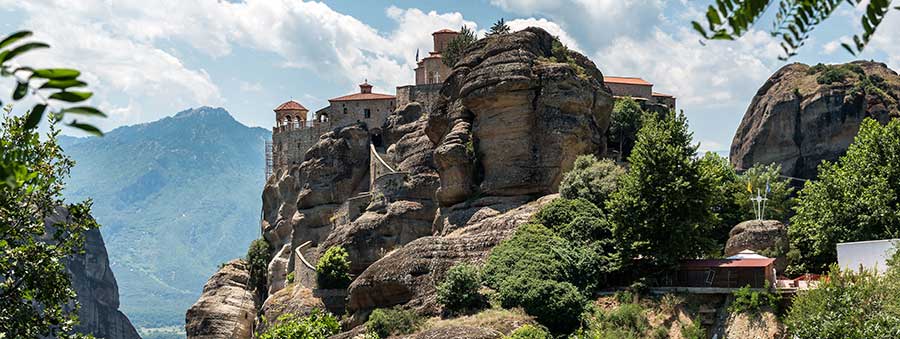
Before the monasteries were built, this area was already attracting monks seeking isolation. As early as the 11th century, hermits lived in caves carved into the rocks, choosing this remote location for silence and reflection. Over time, as conditions in the region became less stable, monks began building higher and higher – until they reached the tops of the cliffs. By the 14th century, organized monastic communities were established, beginning with the Great Meteoron Monastery. Access was not easy. Supplies, and even people, were lifted using ropes, ladders, and nets. At one point, there were around 24 monasteries in Meteora. Today, six are still active, and visiting them offers a glimpse into a way of life that has remained largely unchanged for centuries.
The Six Monasteries of Meteora
Each monastery offers a slightly different experience, and together they tell the full story of Meteora.
Great Meteoron Monastery: The largest and oldest of all, this monastery sits at the highest point.
It feels almost like a self-contained village, with courtyards, chapels, and a small museum. If you visit only one monastery, this is often the one people choose.
Varlaam Monastery: Known for its beautiful interior and impressive frescoes, Varlaam offers a rich look into monastic life.
It’s also one of the more accessible monasteries, making it a popular stop.
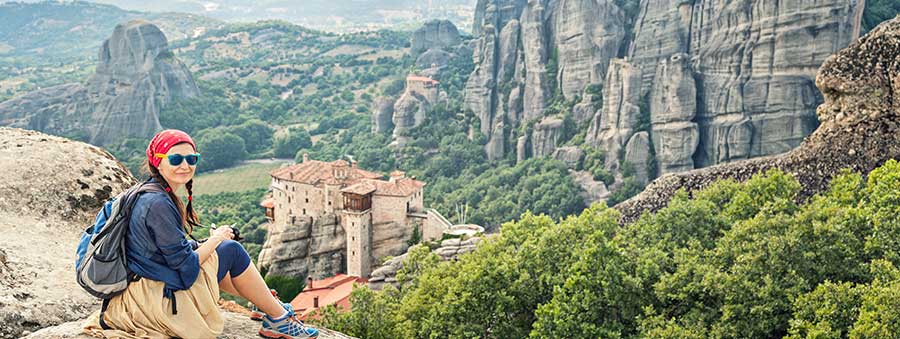
Roussanou Monastery: Smaller and more intimate, Roussanou has a peaceful atmosphere and is run by nuns today.
Its position on a narrow rock makes it one of the most visually striking.
St. Nicholas Anapafsas: This monastery is built vertically due to limited space, creating a unique layout across multiple levels.
It’s especially admired for its detailed wall paintings.
Holy Trinity Monastery: Perched dramatically on a single rock column, this monastery feels the most isolated.
The short hike to reach it is part of the experience—and the views are worth it.
St. Stephen Monastery: The easiest to access, with a small bridge instead of steps.
It offers beautiful views and a more relaxed visit, especially for those who prefer less walking.
Meteora and the Faith Journey
While Meteora is not directly connected to the travels of the Apostle Paul, it still holds deep meaning for many Christian travelers. Visiting Meteora offers a different perspective on the Christian journey – one that reflects what came after the early church. Here, you can see how faith continued to grow and take shape over the centuries, expressed through a life of prayer, simplicity, and devotion. For many visitors, standing at these monasteries is not just about the view. It’s a moment to slow down, reflect, and connect with a quieter side of faith that is often hard to find in everyday life.
Tips for Visiting Meteora
A visit to Meteora is unforgettable, but a little preparation will make your experience much smoother.
Dress modestly: These are active religious sites. Men should wear long pants, and women should wear skirts (wraps are often provided if needed).
Wear comfortable shoes: There are steps and uneven paths at most monasteries.
Don’t try to rush everything: Visiting all six monasteries in one day can feel overwhelming. A slower pace, 2 to 4 monasteries, is much more enjoyable.
Check opening days in advance: Each monastery has its own schedule, and some are closed on certain days.
Consider a guided visit: Understanding the history and meaning behind what you’re seeing adds a completely different layer to the experience.
Best Time to Visit Meteora
Meteora can be visited year-round, but some seasons offer a better overall experience.
Spring (March–May)
Green landscapes, mild weather, and fewer crowds make this one of the best times to visit.
Fall (September–November)
Comfortable temperatures and beautiful natural colors create a peaceful atmosphere.
Summer (June–August)
The weather is warm and days are long, but it is also the busiest time of year.
Winter (December–February)
Quiet and less crowded, with occasional snow adding a unique beauty to the scenery.
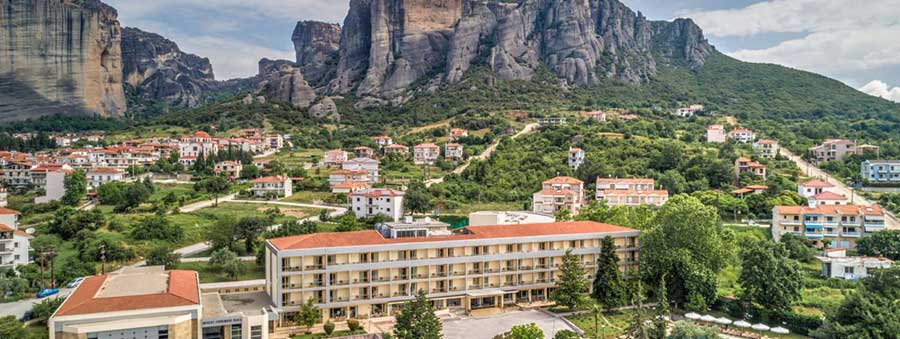
Staying in Kalambaka: The Gateway to Meteora
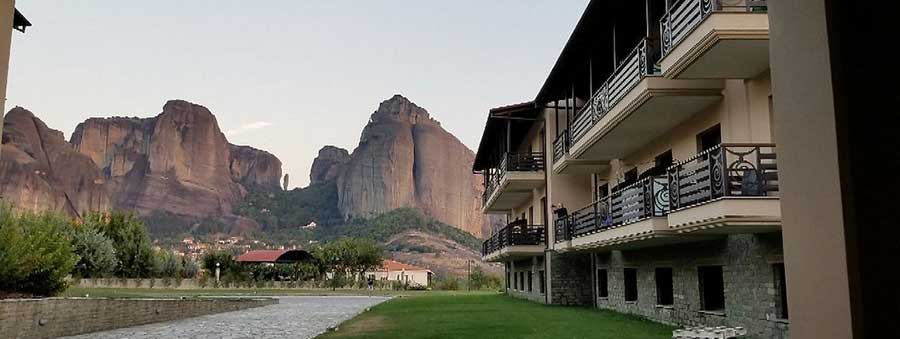
Most visitors to Meteora stay in the nearby town of Kalambaka, which sits right at the base of the towering rock formations. It’s a small, welcoming town with a long history, dating back to ancient times when it was known as Aiginion. Today, Kalambaka serves as the main base for exploring Meteora, offering a relaxed atmosphere, local restaurants, and easy access to the monasteries. Staying overnight in Kalambaka allows you to experience Meteora at its best – especially early in the morning or at sunset, when the crowds are lighter and the landscape feels even more peaceful.
There are several good hotel options in the area, depending on your style and budget. Divani Meteora Hotel is one of the most popular choices, offering comfort, great views, and easy access to the monasteries. Grand Meteora Hotel is another solid option, known for its scenic location and spacious rooms. For something more boutique and centrally located, Hotel Kosta Famissi provides a comfortable stay with a more local feel. Whether you’re visiting as part of a guided journey or planning your own route, Kalambaka is the perfect place to slow down, take in the surroundings, and fully experience the unique atmosphere of Meteora.
Why Meteora Is More Than Just a Sightseeing Stop
What makes Meteora different from other destinations in Greece is the feeling it leaves you with. It’s not just about the views – although they are incredible. It’s about standing in a place where people dedicated their lives to something greater, in complete isolation, hundreds of years ago. Even today, that sense of calm and purpose is still there.
Planning Your Visit to Meteora
Meteora is often included as part of a broader Greece itinerary, especially for travelers interested in history, culture, and faith-based travel. For travelers looking to experience Meteora as part of a deeper faith-based journey, our Christian tours to Greece are designed to connect destinations like Meteora with key biblical sites such as Corinth, Philippi, and Thessaloniki – creating a meaningful and well-rounded spiritual experience. For those looking to experience it in a meaningful and well-organized way, guided journeys can help connect Meteora with other important destinations across Greece – creating a smoother and more enriching experience overall.
Final Thoughts
Meteora is one of those rare places that truly lives up to expectations – and then goes beyond them. Whether you’re visiting for the history, the scenery, or the deeper meaning behind it all, it’s a destination that leaves a lasting impression.
If Greece is on your list, Meteora should be near the top.
Frequently Asked Questions About Meteora, Greece
1. Is Meteora really worth visiting, or is it just hype?
Honestly, Meteora is one of those rare places that actually feels better than the photos. It’s not just the views – it’s the feeling of standing somewhere that was built for faith, silence, and reflection. You don’t just visit Meteora… you experience it
2. How many monasteries are there in Meteora?
There were once around 24 monasteries built on these cliffs, but today only 6 are active and open to visitors. Each one feels a little different, so even visiting just a few gives you a real sense of the place.
3. How many monasteries should I visit in one day?
Most travelers visit about 3–4 monasteries in a day, and that’s honestly the sweet spot. Trying to do all six can feel rushed, and Meteora is definitely a place you want to slow down and take in.
4. What does the name “Meteora” actually mean?
“Meteora” literally means “suspended in the air,” and once you see the monasteries floating above the cliffs, it makes perfect sense. It’s one of those names that captures the feeling of the place perfectly.
5. Do you need to be religious to enjoy Meteora?
Not at all. While it’s deeply spiritual, Meteora speaks to everyone – whether you come for faith, history, or just the landscape. That said, even non-religious visitors often describe it as a surprisingly moving experience.
6. What should I wear when visiting the monasteries?
There is a dress code since these are still active monasteries. Men need long pants, and women should wear skirts that cover the knees and shoulders. If you’re not prepared, don’t worry – most monasteries provide coverings at the entrance
7. How much time do you really need in Meteora?
If your goal is to visit the monasteries, 1–2 days is usually enough. But if you want to hike, explore viewpoints, and really take in the atmosphere, staying an extra night makes a big difference.
8. What makes Meteora so unique compared to other places in Greece?
It’s the combination of nature and faith. Massive rock formations shaped over millions of years, with monasteries built on top of them by monks seeking isolation and devotion. There’s really nothing else like it – not in Greece, and not in the world.
9. Is Meteora included in your Greece tours?
Yes, Meteora is actually one of the highlights of our Greece journeys.
We include it in all of our biblical tours because, even though it’s not directly connected to the Apostle Paul, it adds a deeper layer to the experience. It shows how the Christian faith continued to grow and take shape over the centuries. For many travelers, Meteora ends up being one of the most meaningful and memorable parts of the entire trip.