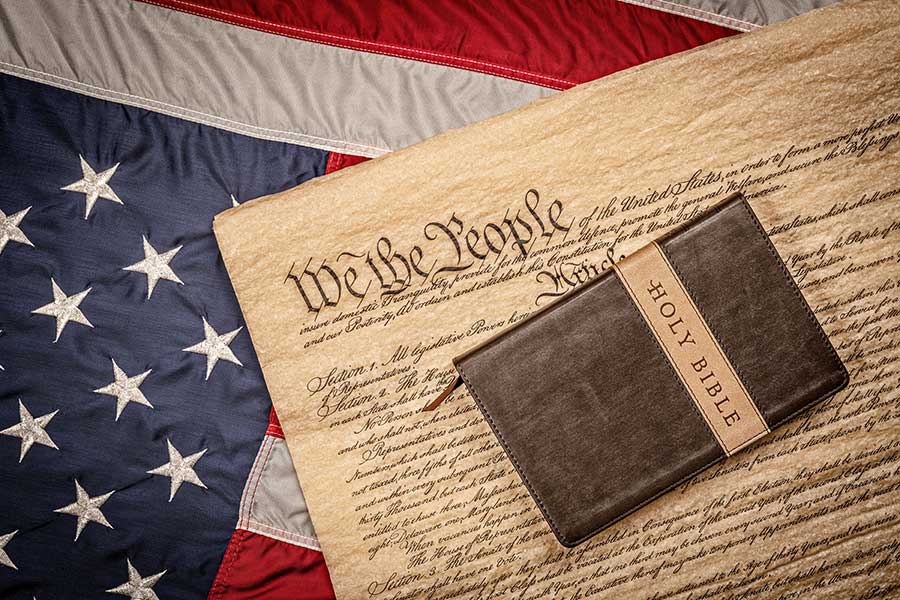
Freedom and Faith: The Apostle Paul’s Timeless Message for the Fourth of July
Every Fourth of July, Americans gather to celebrate something we often take for granted – freedom. We wave flags, watch fireworks, spend time with family, and remember the courage and sacrifices that gave birth to our nation. It is a day filled with gratitude and patriotism. Yet for Christians, the word freedom carries an even deeper meaning. Nearly two thousand years ago, the Apostle Paul wrote about a kind of liberty that goes far beyond political independence. He spoke about freedom from fear, freedom from guilt, freedom from sin, and the incredible hope found in Jesus Christ. This Independence Day, perhaps there is no better time to reflect on both the blessings of living in a free nation and the eternal freedom that Paul passionately preached throughout Greece and the Roman world.

The Apostle Paul Knew What It Meant to Be Unfree
One of the remarkable things about Paul’s writings on freedom is that he wrote many of them while living under Roman rule, facing persecution, and often enduring imprisonment. Paul was arrested, beaten, shipwrecked, and eventually executed because of his faith. Yet his letters are filled with joy, hope, and an unwavering belief in true freedom. That alone should make us pause. How could a man who spent so much of his life in chains write so powerfully about liberty?
Because Paul understood something that the world often forgets: A person can be physically free and spiritually imprisoned. And a person can be physically imprisoned and still possess incredible spiritual freedom.
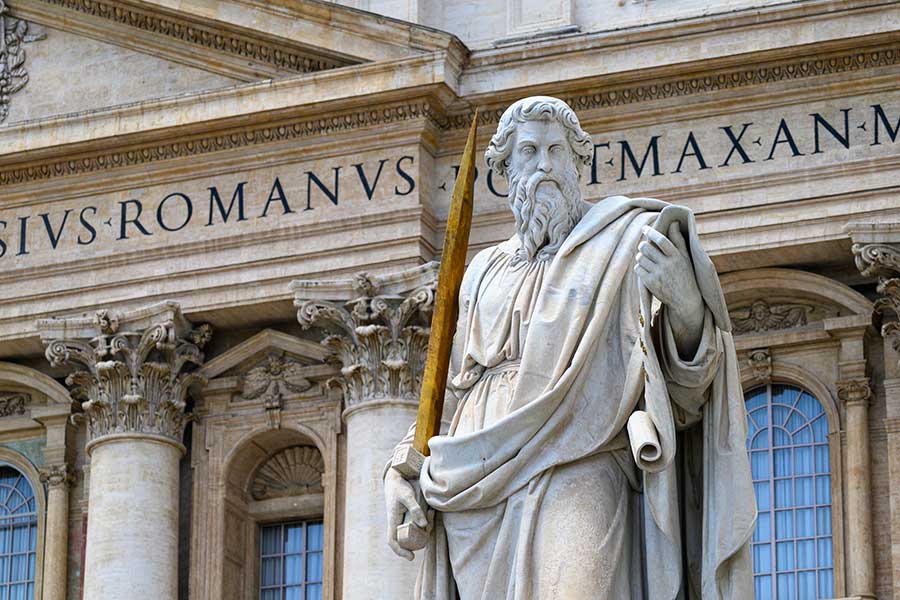
What Freedom Meant to the Apostle Paul
Perhaps no verse captures Paul’s understanding of freedom better than Galatians 5:1:
“It is for freedom that Christ has set us free. Stand firm, then, and do not let yourselves be burdened again by a yoke of slavery.” – Galatians 5:1 (NIV)
These words were not written to a nation seeking political independence. They were written to early Christians wrestling with questions of faith and identity. For Paul, freedom was not primarily a political concept but a spiritual one, centered on a person’s relationship with God and no longer being defined by fear, guilt, or the burden of the past.
As Americans celebrate Independence Day, this passage offers an interesting perspective on liberty. Some freedoms are protected by governments and constitutions, while others, Paul argued, are deeply personal and spiritual in nature.
Writing to the believers in Rome, Paul offered another well-known statement about freedom:
“Therefore, there is now no condemnation for those who are in Christ Jesus, because through Christ Jesus the law of the Spirit who gives life has set you free from the law of sin and death.” – Romans 8:1–2 (NIV)
As Americans reflect on the freedoms secured by generations who sacrificed for the nation, Paul’s writings invite readers to consider a broader understanding of liberty- one that extends beyond politics and into questions of faith, purpose, and identity.
These ideas about freedom accompanied Paul throughout his travels in Greece – from Philippi and Thessaloniki to Athens and Corinth—and remain among the most enduring themes of his letters nearly two thousand years later.
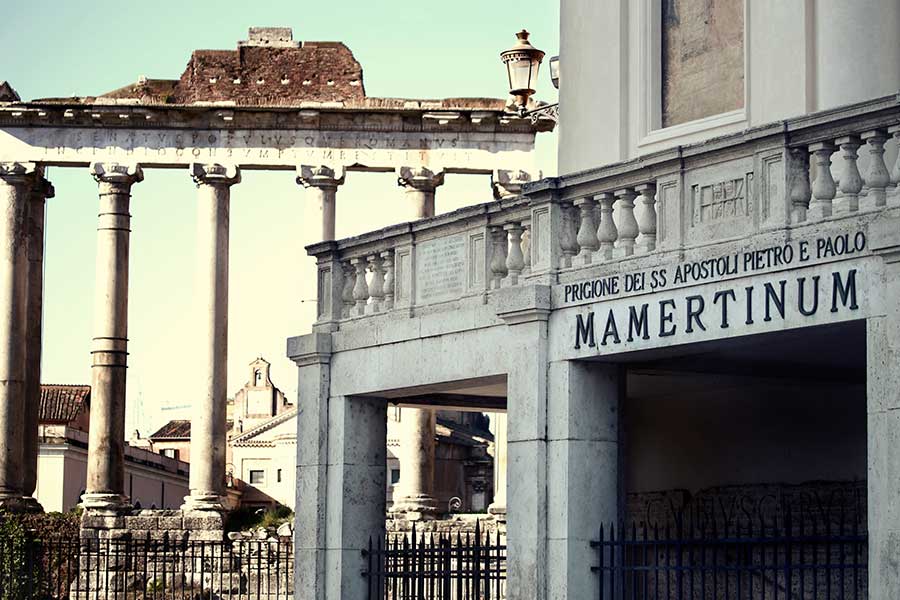
Freedom Comes with Responsibility
Paul never viewed freedom as permission to live selfishly.
Instead, he wrote:
“You, my brothers and sisters, were called to be free. But do not use your freedom to indulge the flesh; rather, serve one another humbly in love.” – Galatians 5:13 (NIV)
Those words feel especially meaningful on the Fourth of July.
Throughout American history, countless men and women have used their freedom to build communities, care for their neighbors, serve their country, and protect future generations. Paul’s message is strikingly similar.
Freedom is a gift, but it also carries responsibility.
The best use of liberty is not asking, “What can I do for myself?” but rather, “How can I serve others?”
Where the Spirit of the Lord Is, There Is Freedom
In another well-known passage, Paul writes:
“Now the Lord is the Spirit, and where the Spirit of the Lord is, there is freedom.” – 2 Corinthians 3:17 (NIV)
When Paul wrote these words, he was living in a world marked by political power, social divisions, and religious pressures. He himself faced imprisonment, opposition, and periods of great uncertainty. Yet his letters repeatedly return to the theme of freedom—not the freedom that comes from favorable circumstances, but an inner freedom rooted in one’s relationship with God.This helps explain why Paul’s message has resonated for nearly two thousand years. He argued that true freedom is not simply the absence of hardship or restrictions. Rather, it is the ability to live with hope, purpose, and confidence even in difficult times. That perspective continues to speak to many people today, regardless of the challenges of their own age.
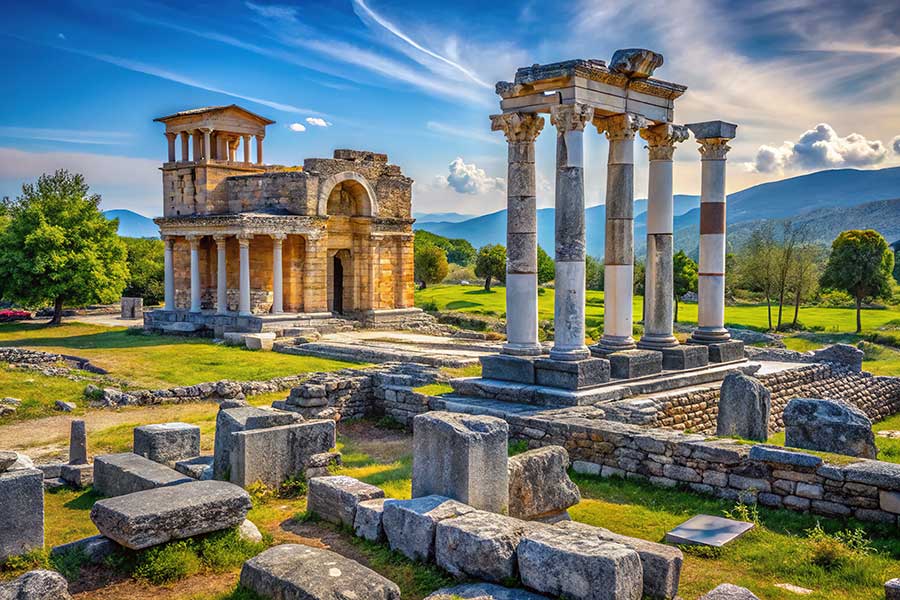
Walking Where Paul Preached About Freedom
One of the reasons so many Christians choose to visit Greece is because it allows them to step into the pages of the New Testament. These are not simply ancient ruins. They are the places where Paul preached, taught, suffered, and encouraged the early church.
And they are places where the message of freedom in Christ still comes alive.
Philippi: Freedom Behind Prison Walls
The story of Philippi may be one of the greatest examples of spiritual freedom in the Bible. Paul and Silas had been beaten and thrown into prison. Their feet were chained. Their future was uncertain.
Yet instead of despairing, they prayed and sang hymns. Then came the earthquake. The prison doors opened. The chains fell away. It is impossible to stand in Philippi and not be reminded that God specializes in setting people free.
Thessaloniki: Courage in the Face of Opposition
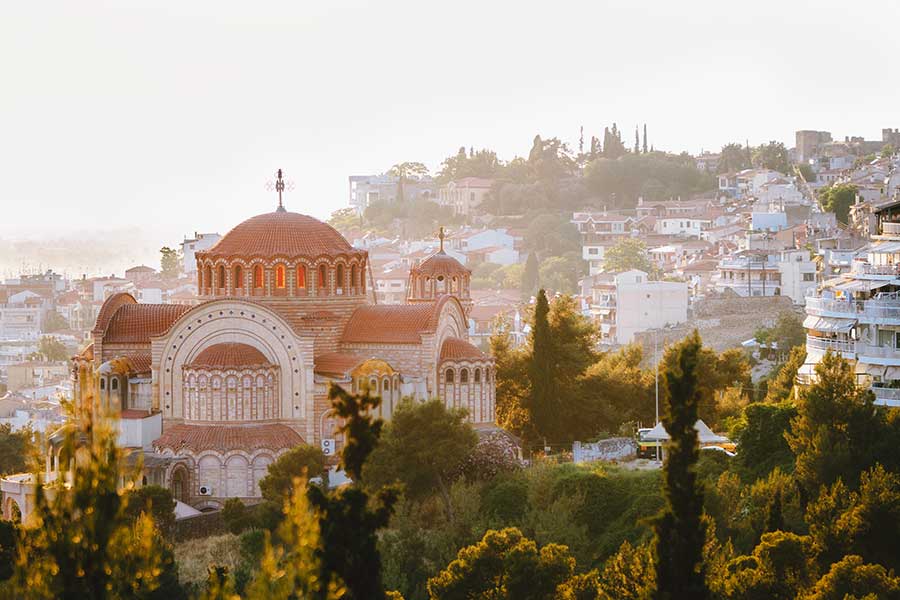
In Thessaloniki, Paul faced fierce resistance. Yet he continued preaching because he knew that true freedom is worth sharing. The church that was born there became one of the strongest communities of believers in the early Christian world.
Berea: Freedom Through Truth
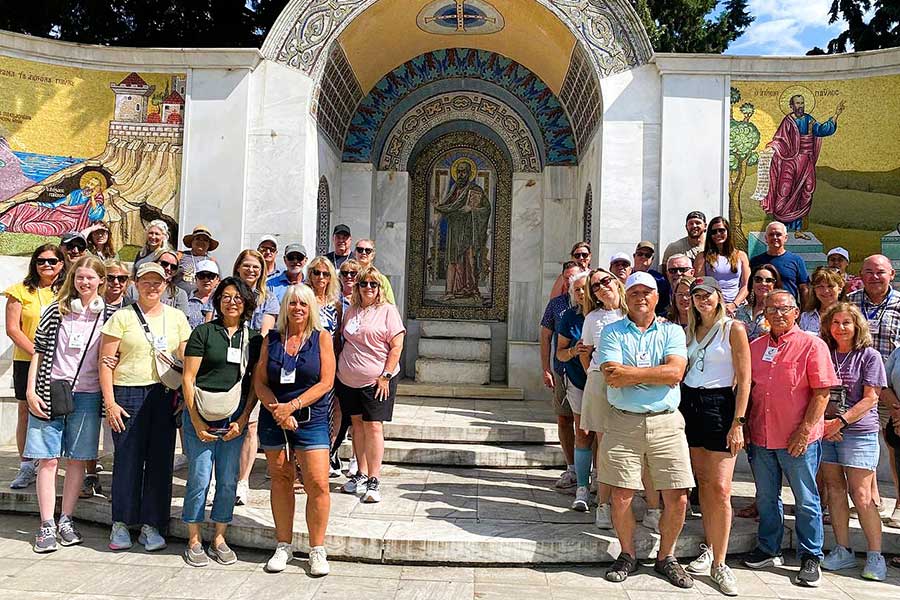
The believers in Berea were praised because they searched the Scriptures daily. They discovered that freedom comes through knowing and understanding God’s truth.
Athens: Freedom in a World Searching for Answers
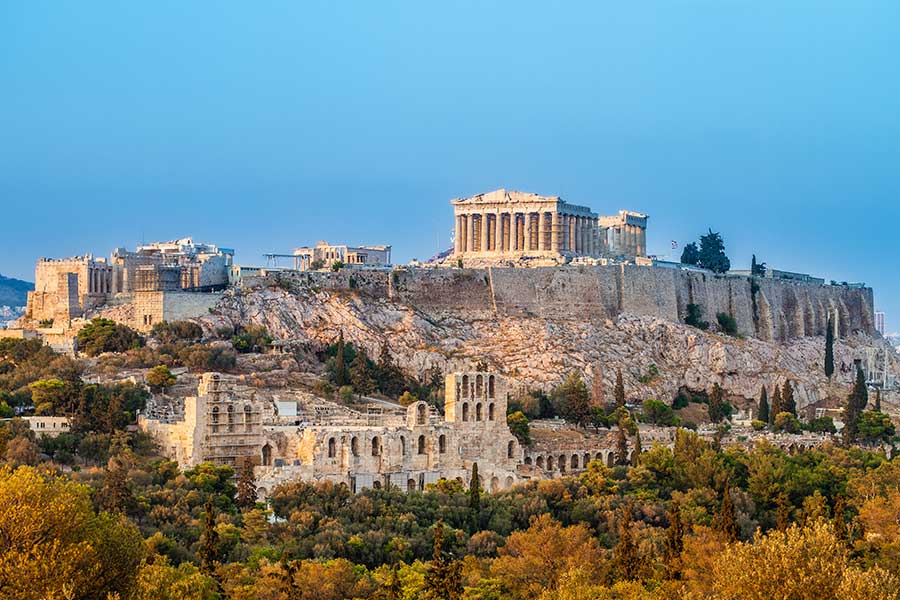
Standing on Mars Hill, Paul looked out at a city filled with idols and religious ideas. There he proclaimed the message of the risen Christ. Nearly two thousand years later, visitors still stand on that same hill and reflect on one of the most powerful sermons ever preached.
Corinth: Freedom That Changes Lives
Corinth was a wealthy and morally troubled city. Yet Paul planted a thriving church there and reminded believers that freedom in Christ has the power to transform lives. Walking through ancient Corinth today gives believers an entirely new appreciation for Paul’s letters and ministry.
The Fourth of July Is a Time to Be Thankful
As Americans celebrate Independence Day, the Apostle Paul’s words invite us to think about freedom in its fullest sense. We can be grateful for the liberties we enjoy as citizens while also remembering the deeper freedom that Paul preached throughout Greece – a freedom that begins with faith and transforms the way we live. Perhaps nowhere does that message feel more tangible than in Greece, where Paul preached in cities such as Philippi, Thessaloniki, Athens, and Corinth, and where his words about true freedom continue to inspire believers nearly two thousand years later.